Table of Contents (15 sections)
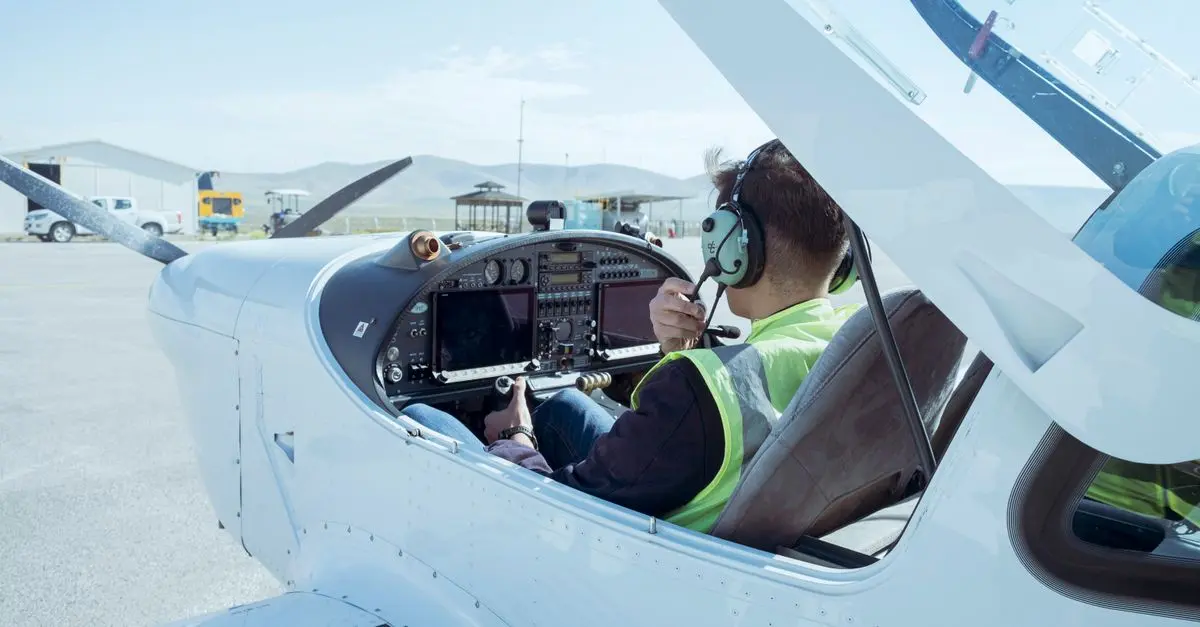
Becoming a pilot is an exhilarating journey filled with passion, challenges, and dedication. In a world where many individuals dream of flying, the pathway to earning a pilot's license can seem daunting. Yet, with the right guidance and strategies, aspiring pilots can successfully navigate their training. This article provides top 10 tips for aspiring pilots to enhance their learning experience, build confidence, and ensure they are well-prepared for the skies.
1. Understand the Requirements of Flight Training
Before diving into training, it’s crucial to understand the requirements set by aviation authorities such as the Federal Aviation Administration (FAA) in the United States. Aspiring pilots must meet specific age, medical, and educational prerequisites. For instance, candidates must be at least 17 years old and hold at least a third-class medical certificate. Familiarizing yourself with these requirements will help you better plan your training journey and avoid unexpected roadblocks.
2. Choose the Right Flight School
Selecting the right flight school is vital to your success. Research different schools and visit them if possible. Look for schools with qualified instructors, good safety records, and positive student feedback. Compare costs, locations, and the type of aircraft used for training. Many aspiring pilots find that schools affiliated with local flying clubs offer more personalized attention and community support. Remember, this decision will shape your entire learning experience.

3. Get Prepared with Ground School
Ground school is just as important as flight training. This is where you’ll learn about aerodynamics, navigation, meteorology, and air regulations. A well-rounded understanding of these subjects will enhance your flight experience and ensure you can make informed decisions in the cockpit. Consider enrolling in a ground school class or an online program to solidify your knowledge before heading into actual flight training.
4. Embrace Technology and Simulation
In 2026, technology has transformed aviation training, making it more accessible than ever. Flight simulators provide a risk-free environment to master flying techniques. Skills such as navigating complex airspaces, practicing emergency procedures, and enhancing communication can be honed using simulation software. Additionally, there are numerous apps designed to assist with flight planning, weather updates, and navigation tasks. Utilize these tools to supplement your training and build expertise.
5. Stay Physically and Mentally Fit
Flying is not just about technical skills; it's also about physical and mental fitness. Regular exercise improves concentration, reduces stress, and enhances overall endurance. In tandem, mental fitness aids decision-making during flights. Consider engaging in activities like yoga or meditation, which can help cultivate focus and composure under pressure. Fitness is a vital, often overlooked aspect of being a successful pilot.
6. Develop Strong Communication Skills
Effective communication is essential for pilots. Clear communication with flight instructors, air traffic control, and fellow pilots ensures safety and coordination. Practice articulating your thoughts and decisions clearly. During training, focus on receiving and giving feedback during debriefings, as this will improve your communication proficiency. Understanding standard aviation terminology and phraseology is also critical for successful interaction within the industry.
7. Keep a Flight Log and Monitor Your Progress
Maintaining a flight log helps track your progress and achievements in training. Document flight hours, exercises completed, and skills mastered. This log will serve as a useful tool for self-assessment. Many aspiring pilots find that reviewing these logs frequently boosts motivation and morale, especially during challenging phases of training. Celebrate milestones, no matter how small; they lead to your ultimate goal.
8. Seek Mentorship and Networking Opportunities
Utilize connections within the aviation community. Networking with experienced pilots and aviation professionals can offer valuable insights and guidance throughout your training journey. Attend aviation meetups, join online forums, or participate in aviation exhibitions to connect with others who share your passion. Mentorship can provide advice, resources, and even job opportunities down the road.
9. Prepare for Your Checkride Thoroughly
The checkride, or practical test, is a crucial milestone in your pilot training. Preparation is paramount. Review all materials, practice maneuvers, and engage in mock checkrides with your instructor. Understanding what to expect on the checkride day will mitigate anxiety and boost your confidence levels. Remember, thorough preparation is key to emerging successfully.
10. Stay Passionate and Never Give Up
Training to become a pilot can be challenging, but maintaining your passion for flying is critical. Setbacks and hard lessons can occur, but perseverance and determination will propel you through any obstacles. Surround yourself with supportive peers and instructors who understand the challenges you face. Keep your sky-high dreams at the forefront of your journey, and remind yourself why you embarked on this path in the first place.
📺 Resource Video
To dive deeper into the world of aviation training, check out this insightful video: [How to Become a Pilot in 2026], which provides a detailed overview of modern training techniques. Search on YouTube: "how to become a pilot 2026".
Glossary
| Term | Definition |
|---|---|
| Checkride | A practical test that students must pass to obtain their pilot's license. |
| Flight School | An institution providing training to aspiring pilots. |
| Ground School | Theoretical training component focusing on aviation subjects. |
Checklist for Aspiring Pilots
- [ ] Understand the flight training requirements
- [ ] Research and select a suitable flight school
- [ ] Complete ground school education
- [ ] Embrace flight simulation technology
- [ ] Maintain physical and mental fitness
- [ ] Develop strong communication skills
- [ ] Keep a progress flight log
- [ ] Network and seek mentorship opportunities
- [ ] Prepare thoroughly for the checkride
- [ ] Stay passionate about your goal to fly
Conclusion
Embarking on your journey to become a pilot is exciting and challenging. By following these top 10 tips for aspiring pilots, you can streamline your training and rise to new heights in your aviation career. The sky is not the limit; it’s merely the beginning. Fuel your passion, enhance your skillset, and prepare for the adventures that await in the aviation world.
📺 Pour aller plus loin : how to become a pilot 2026 sur YouTube
Recommended products
Selected by our experts
Television's Lost Classics: Volume Two: Four Rare Pilots
deepdiscount.com
This product contains rare classic pilot episodes, showcasing historical aviation moments and enhancements in the pilot profession.