Table of Contents (15 sections)
Becoming a pilot involves more than just the ability to fly a plane. Aspiring pilots must cultivate a wide range of skills to ensure they can operate an aircraft effectively and manage the complexities of flight dynamics, as well as understand weather conditions and communicate effectively with crew members and air traffic control. Below are essential skills for aspiring pilots that will set you apart in your aviation career.
1. Technical Proficiency
Mastering the technical aspects of flying is paramount for every pilot. This includes understanding the aircraft's systems and controls, navigation techniques, and meteorology. Aspiring pilots should excel in their flight training, demonstrating an ability to perform pre-flight checks, understand aviation charts, and utilize navigation tools like GPS. According to the Federal Aviation Administration (FAA), a solid grasp of these technical skills is critical, as they often prove decisive in emergency situations or when faced with equipment malfunctions. Simulated flight training can enhance these abilities, giving pilots real-time experiences without the dangers involved in actual flight.
2. Communication Skills
Efficient communication is a cornerstone of aviation safety. Pilots must clearly convey instructions, report issues, and coordinate with various stakeholders, including air traffic control and other crew members. Learning standard aviation phraseology, understanding cockpit resource management (CRM), and effectively handling intercom systems are crucial. Moreover, clear communication can significantly reduce the chances of misunderstandings during flights. Practicing these skills in simulators or during training flights helps reinforce the effective back-and-forth necessary for successful flight operations.
Uplift Essentials Rotatable Adjustable Tablet Stand For IPad And Tablets black 1
inspireuplift.com
Uplift Essentials Tripod Floor Tablet Stand Adjustable Heavy Duty Tablet Support Tripod Floor Tablet Stand Adjustable Heavy Duty Tablet Support
inspireuplift.com

3. Problem-Solving Abilities
Pilots frequently encounter unexpected problems that require swift, smart solutions. Whether it's dealing with sudden weather changes or an onboard technical issue, problem-solving skills are crucial. Aspiring pilots should develop a calm demeanor in high-pressure situations, which can be achieved through rigorous flight training and simulations. For instance, scenario-based training exercises can expose pilots to a variety of possible emergencies, enhancing their ability to think critically and make informed decisions under stress.
4. Situational Awareness
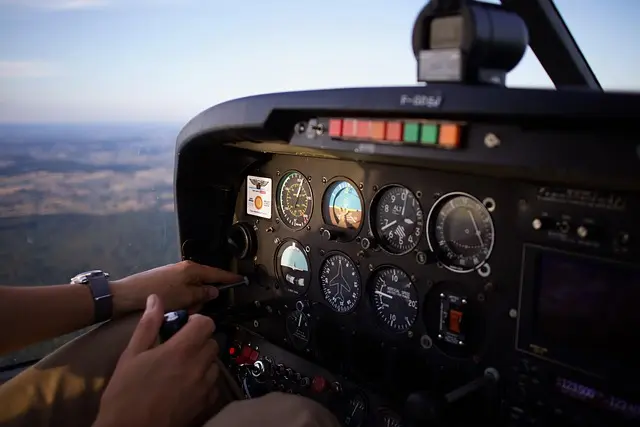
Situational awareness refers to a pilot's ability to perceive, understand, and anticipate potential changes in their flight environment. This skill is vital for avoiding hazards and making safe flying decisions. Pilots can enhance their situational awareness by familiarizing themselves with flight instruments, practicing good scanning techniques, and using tools like the traffic collision avoidance system (TCAS). Keeping oneself updated with current airspace conditions and maintaining a proactive attitude can enable pilots to address any issues before they escalate.
5. Leadership and Teamwork
Being an effective leader and team player is essential, especially when flying with co-pilots or crew members. Pilots should foster a collaborative environment in the cockpit, valuing input from others while also making decisive operational calls when necessary. During flight training, engaging in group tasks can strengthen leadership abilities and encourage teamwork among pilots. Research has shown that effective teamwork can significantly lower the risk of accidents, reinforcing the importance of this skill in the aviation industry.
6. Adaptability
The ability to adapt to changing situations is a critical skill for pilots. Whether it's adjusting to new regulations, flying different aircraft, or responding to evolving weather conditions, adaptability is key. Aspiring pilots should expose themselves to diverse flying experiences and environments to develop flexibility in their skill set. This could include flying in varying climates, or participating in flight school programs that expose them to different aircraft types.

Realistic Female Butt Masturbator With Tight Channel Design, Y Texture, Delicate Touch, Essential Private Experience For Men
Voghion Global
Uplift Essentials Rotatable Adjustable Tablet Stand For IPad And Tablets black 2
inspireuplift.com
Uplift Essentials Rotatable Adjustable Tablet Stand For IPad And Tablets silver 1
inspireuplift.com
7. Physical and Mental Endurance
Flying can be physically and mentally demanding, requiring pilots to maintain focus and manage their energy levels effectively. Aspiring pilots should prioritize physical fitness and mental well-being. This includes regular exercise, maintaining a balanced diet, and practicing stress management techniques. Furthermore, understanding the impacts of altitude and fatigue can lead to better performance during long flights. The Airline Pilots Association emphasizes the importance of both physical and mental health as it correlates directly with safety and performance in aviation.
8. Regulatory Knowledge
Pilots must have a solid understanding of aviation regulations set by authorities such as the FAA. Knowledge of air traffic rules, flight operations regulations, and safety protocols is essential. Aspiring pilots should familiarize themselves with the relevant regulatory frameworks and stay updated on any changes. This can be achieved through constant education and keeping abreast of industry news. Comprehending regulatory frameworks not only enhances safety but also signifies professionalism.
9. Time Management
Time management is essential in aviation, particularly when juggling multiple tasks and tight schedules. Pilots must effectively manage pre-flight planning, flight time, and post-flight procedures. Developing a pre-flight checklist and adhering strictly to timelines can streamline this process. Aspiring pilots can benefit from time management training or workshops that highlight effective prioritization techniques and the significance of punctuality in the cockpit.
10. Continuous Learning
Aviation is an ever-evolving field, which requires pilots to commit to lifelong learning. Staying updated on technological advancements, new flying techniques, and regulatory changes is vital. Engaging in recurrent training courses, attending aviation seminars, and participating in online forums can all help in acquiring new knowledge. Developing a mindset of continuous improvement ensures that aspiring pilots stay competitive and informed in their career.
Checklist before starting your pilot journey
- [ ] Master technical proficiency.
- [ ] Hone communication skills.
- [ ] Develop problem-solving abilities.
- [ ] Improve situational awareness.
- [ ] Cultivate leadership and teamwork qualities.
- [ ] Embrace adaptability.
- [ ] Maintain physical and mental endurance.
- [ ] Understand aviation regulations.
- [ ] Practice effective time management.
- [ ] Commit to continuous learning.
📺 Resource Video
> For further insights on mastering skills as a pilot, search on YouTube: "how to enhance skills for aspiring pilots 2026".
Glossary
| Terme | Définition |
|---|---|
| Situational Awareness | Ability to understand and anticipate changes in flying environment. |
| Cockpit Resource Management (CRM) | Techniques for optimizing pilot performance during flight. |
| Air Traffic Control (ATC) | The authority that coordinates the movement of aircraft in airspace. |
---
📺 Pour aller plus loin : how to enhance skills for aspiring pilots 2026 sur YouTube
Recommended products
Selected by our experts
Uplift Essentials Rotatable Adjustable Tablet Stand For IPad And Tablets silver 2
inspireuplift.com
beautyblender Beautyblender Bounce Haus Essential Trio Gift Set, - None - Size: 0.31 Oz
kohls.com
Uplift Essentials Silicone T Shaped Eye Patch For Facial Skincare Silicone T Shaped Eye Patch For Facial Skincare
inspireuplift.com