Table of Contents (24 sections)
Becoming a pilot is a dream for many aviation enthusiasts. However, the journey to the cockpit is paved with essential skills that every aspiring pilot must master. From technical knowledge to soft skills, each aspect plays a critical role in ensuring both safety and efficiency. Here, we explore the top ten skills aspiring pilots need to focus on to navigate their way toward a successful flying career.
1. Technical Proficiency
Mastering Aircraft Systems
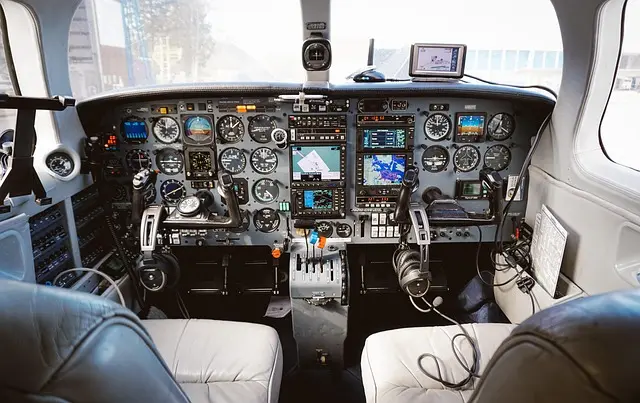
Technical proficiency is foundational for all pilots. Understanding how aircraft systems work—from engines to avionics—is crucial. This knowledge ensures that you can troubleshoot issues in-flight and follow emergency procedures effectively. Aspiring pilots should invest time in both theoretical studies and hands-on practice in flight simulators. This can significantly enhance their ability to operate various aircraft safely.
2. Communication Skills
The Key to Safety and Coordination
Effective communication is vital in aviation. Pilots must clearly communicate with air traffic control (ATC) and crew members. This includes being conversant in aviation terminology and protocols. Strong communication skills ensure that critical information is relayed accurately, preventing misunderstandings that can lead to dangerous situations. Many flight schools emphasize communication training during simulations to prepare students for realistic scenarios.
3. Decision-Making Ability
Quick Thinking in High-Pressure Situations
Pilots face numerous decisions in the cockpit, often under pressure. The ability to make effective decisions quickly can mean the difference between a safe landing and a disaster. Developing this skill involves not only theoretical knowledge but also real-life experience. Situational awareness and scenario-based training help cultivate strong decision-making abilities, allowing pilots to respond effectively to unexpected situations.
4. Adaptability
Embracing Change in a Dynamic Environment
The aviation industry is constantly evolving, with new technology and regulations emerging regularly. Aspiring pilots must be adaptable, ready to learn and implement new procedures. This skill is particularly important as automation in aviation increases, demanding pilots embrace modern technology while maintaining core flying skills. Evidence from flight schools shows that adaptable pilots tend to succeed in both training and actual flight operations.
5. Teamwork
Collaborating with Crew and Ground Staff
Flying is rarely a solitary endeavor. Pilots work closely with a team, including co-pilots and ground staff. Strong teamwork relies on building relationships and fostering a collaborative environment. Participating in group simulations helps instill a sense of teamwork that can be crucial during complex flight operations. An aligned team can handle emergencies more efficiently than individuals working in isolation.
6. Time Management
Balancing Flight Preparation and Administration
Pilots juggle various responsibilities that require excellent time management skills. From pre-flight checks to coordinating schedules, managing time effectively can enhance operational efficiency. Aspiring pilots should practice planning and organizing their duties, which is essential in commercial aviation where delays can be costly. Successful pilots often utilize tools and apps for improved scheduling and task management.
7. Problem-Solving Skills
Navigating Challenges in the Sky
Every flight presents unique challenges, and pilots must possess strong problem-solving skills to address them. Whether it's adjusting for unexpected weather changes or handling equipment malfunctions, developing innovative solutions is crucial. Engaging in scenario-based training helps aspiring pilots hone their problem-solving abilities, allowing them to think critically under pressure.
8. Situational Awareness
Maintaining Focus in Complex Environments
Situational awareness involves understanding what is happening around you at all times. For pilots, this means monitoring air traffic, weather conditions, and navigation. Developing situational awareness is achieved through practice and experience. Many pilots engage in flight exercises that simulate various flying conditions, reinforcing the importance of being alert to changes in the environment during flight.
9. Resilience
Empowering Through Challenges
The path to becoming a pilot can be riddled with challenges, from intense training demands to dealing with stress. Resilience allows aspiring pilots to maintain motivation and a positive outlook. Establishing a support network of fellow pilots and mentors can provide the encouragement needed to persevere through tough times. Studies show that resilient individuals adapt better to challenges and are more likely to succeed in high-stress environments.
10. Regulatory Knowledge
Understanding Aviation Laws and Guidelines
Lastly, aspiring pilots must have a thorough understanding of aviation regulations and safety protocols. This knowledge is not just an educational requirement but also essential for ensuring the safety of both the pilot and passengers. Regularly studying updates from aviation authorities like the Federal Aviation Administration (FAA) helps pilots stay informed. Many flight academies provide workshops focused on regulatory training, reinforcing this critical skill.
📺 Resource Video
> 📺 To dive deeper: Explore the essential skills for aspiring pilots—a comprehensive analysis of must-know pilot skills. Search on YouTube: "skills aspiring pilots need".
Checklist for Aspiring Pilots
- [ ] Master technical proficiency of aircraft systems
- [ ] Enhance communication skills with ATC
- [ ] Practice quick decision-making in simulations
- [ ] Adapt to new technologies and regulations
- [ ] Build teamwork through group training
- [ ] Apply effective time management strategies
- [ ] Develop problem-solving techniques under pressure
- [ ] Improve situational awareness in diverse conditions
- [ ] Cultivate resilience through challenges
- [ ] Stay updated on aviation laws and protocols
Glossary
| Term | Definition |
|---|---|
| Situational Awareness | The ability to perceive and understand the elements around you during flight. |
| Regulatory Knowledge | Understanding the laws and guidelines that govern aviation operations. |
| Technical Proficiency | Mastery over the systems and components of an aircraft. |
> 🧠 Quick Quiz: What skill is crucial for effective decision-making in the cockpit?
> - A) Technical Proficiency
> - B) Time Management
> - C) Communication Skills
> Answer: A — Technical proficiency is essential for making informed decisions.
📺 Pour aller plus loin : skills aspiring pilots need sur YouTube