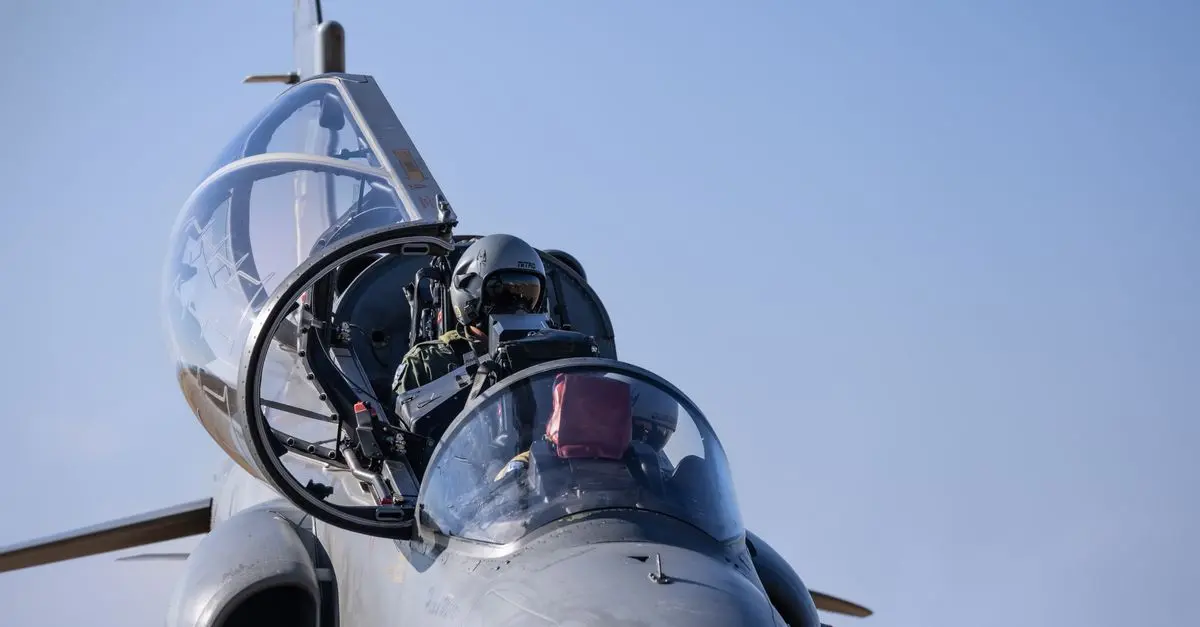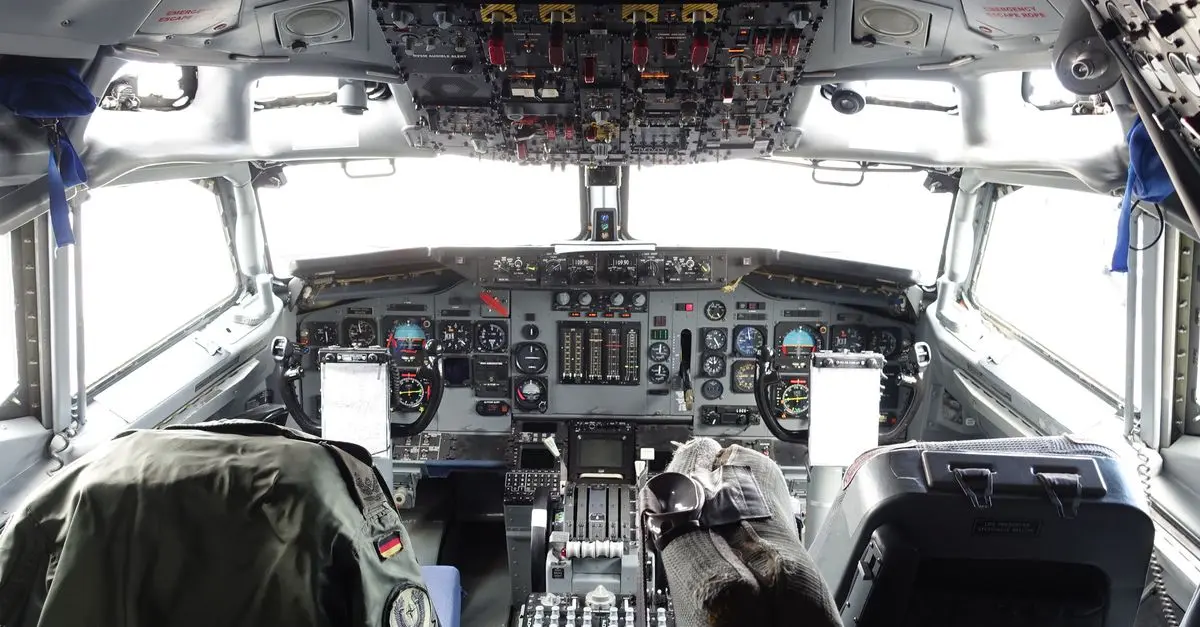
Table of Contents (11 sections)
Becoming a pilot is an exciting and rewarding journey that opens up a world of possibilities. However, with varying paths to take, understanding the essential steps to become a pilot is crucial. This guide will navigate you through each stage of the process, ensuring you have a clear roadmap for your aviation career.
1. Understand What it Means to Be a Pilot
Before embarking on your journey, it’s important to understand the different types of pilots and their roles. A pilot can operate various aircraft, from small single-engine planes to large commercial airliners. Private pilots engage in recreational flying, while commercial pilots work for airlines and can transport passengers and cargo. The career path you choose will determine your training needs, certifications, and future opportunities.
According to the Federal Aviation Administration (FAA), as of 2026, there were over 650,000 licensed pilots in the United States, with a demand for more due to an increasing number of commercial flights. Understanding the landscape of the profession will help you decide your ultimate goal in aviation.
Furthermore, familiarize yourself with key terms and concepts of aviation, such as instrument flying, air traffic control (ATC), and meteorology. Being well-rounded in aviation knowledge can significantly aid your training process.
2. Meet Basic Eligibility Requirements
Before you can begin flight training, there are several eligibility criteria you must meet. Primarily, you need to be at least 17 years old and proficient in English. While a great passion for aviation can set you on the right path, a good grasp of mathematics and physics will also serve you well in navigation and understanding aircraft operations.
Health is another crucial factor—pilots must pass a medical exam conducted by an FAA-authorized aviation medical examiner to ensure they possess the physical and mental attributes required for safe flying. The exam evaluates vision, hearing, and overall health. Preparing for this examination early can save you time later on.
3. Choose a Flight School
Choosing the right flight school is pivotal for your training. The two primary types of training facilities are Part 61 and Part 141 flight schools.
Part 61 schools may offer more flexible scheduling and training at your own pace, whereas Part 141 schools provide a structured course with specific curriculum requirements sanctioned by the FAA. Consider your learning style and lifestyle when deciding.
Here’s a comparison table to help you evaluate your options:
| Criteria | Part 61 School | Part 141 School |
|---|---|---|
| Flexibility | High | Moderate |
| Structured Curriculum | Low | High |
| FAA Approval | No | Yes |
| Average Flight Hours | More variable | Specific minimum hours |
4. Begin Flight Training
Once enrolled, it's time to commence flight training. Expect a combination of ground school, which covers the theoretical aspects, and actual flight time. Generally, you will need a minimum of 40 flight hours for a private pilot license, which includes both solo and dual instruction.
During this period, you will learn fundamental flying skills, navigation, weather analysis, and regulations. Many students make common mistakes such as not practicing consistently or neglecting to study ground school subjects, leading to a more difficult flight experience. To mitigate these errors, maintain a study schedule and set goals for your in-flight practice.
5. Pass the Written and Practical Tests
After your training, you will need to pass two exams: the FAA’s written exam and the checkride, which is a practical test evaluated by a designated pilot examiner. The written exam consists of multiple-choice questions on various topics, including regulations, navigation, and weather. Preparing with practice tests and study guides can boost your confidence and increase your chances of success.
The checkride is the final step—where you will demonstrate your flying abilities in a real aircraft. This could be a nerve-wracking experience for many; thus, thorough preparation is key. Consider taking a mock checkride with your instructor to experience the exam day environment in advance.
6. Maintain and Upgrade Your Skills
After obtaining your pilot's license, the learning does not stop there. Continuous education and training ensure you remain proficient and safe in the skies. Many pilots choose to pursue additional certifications—like an instrument rating, which allows for flying in various weather conditions, or an airline transport pilot license for those wishing to work for airlines. According to AOPA, having additional ratings increases employment prospects as airlines favor well-qualified candidates.
💡 Expert Insight: Regular flight reviews and self-education through professional pilot forums and resources will also keep you engaged and informed about new technologies and regulations in aviation.
Checklist Before You Start
- [ ] Research different pilot paths (private, commercial, etc.)
- [ ] Ensure you meet basic eligibility requirements
- [ ] Choose the right flight school that fits your needs
- [ ] Schedule a medical exam and receive clearance
- [ ] Begin your flight training with clear goals in mind
- [ ] Prepare thoroughly for the written exam
- [ ] Practice flying skills consistently
- [ ] Plan for the checkride
- [ ] Keep learning and upgrading your skills post-certification
🧠 Quick Quiz
> What is the minimum flight hour requirement for a private pilot license?
> - A) 20 hours
> - B) 40 hours
> - C) 60 hours
> Answer: B) 40 hours — this is the required minimum according to the FAA.
Uplift Essentials Rotatable Adjustable Tablet Stand For IPad And Tablets black 1
inspireuplift.com
Uplift Essentials Tripod Floor Tablet Stand Adjustable Heavy Duty Tablet Support Tripod Floor Tablet Stand Adjustable Heavy Duty Tablet Support
inspireuplift.com
Uplift Essentials Rotatable Adjustable Tablet Stand For IPad And Tablets silver 1
inspireuplift.com
📺 For further learning:
Watch videos on flying tips and techniques to prepare for your journey. Look for content titled, “Becoming a Pilot: Step-by-Step Overview.” Search on YouTube: become a pilot journey 2026.
Glossary
| Term | Definition |
|---|---|
| Flight Hours | The amount of time spent flying an aircraft, required for licensing. |
| Checkride | A practical flight test to assess a pilot's skills before certification. |
| Instrument Rating | Certification allowing pilots to fly under instrument flight rules (IFR). |
---
📺 Pour aller plus loin : become a pilot journey 2026 sur YouTube
Recommended products
Selected by our experts
Uplift Essentials Silicone T Shaped Eye Patch For Facial Skincare Silicone T Shaped Eye Patch For Facial Skincare
inspireuplift.com


ilyeco 30Pcs Vitamin Leave In Hair Care Essential Oil, Hair Care Capsules Keratin Essence, Protein Smooth Hair Essential Oil keratin
inspireuplift.com