Table of Contents (11 sections)
Choosing the right flight school is critical for anyone aspiring to become a pilot. The decision can significantly influence your training experience, the cost of your education, and ultimately your success in the aviation field. In this guide, we break down the essential steps, criteria, and tips to help you choose flight school wisely.
1. Understand Your Flight Training Goals
Before you start searching for flight schools, it’s crucial to understand your goals as a pilot. Do you aim to fly recreationally, or do you aspire to become a commercial pilot? Are you interested in a specific type of aircraft or aviation discipline? Understanding your goals will guide your choice of school and training program. For instance, if you plan to pursue a career as a commercial airline pilot, consider schools that have strong partnerships with airlines and provide airline transport pilot (ATP) courses. Schools associated with airline companies often offer internships or job placement services that can be beneficial in securing a job post-training.
Additionally, think about what type of flying you want to do—whether it's private, commercial, or specialized certifications like instrument training, multi-engine ratings, or seaplane endorsements. Each of these requires different training curriculums, so it's critical to align your flight school choice with these goals.
2. Research School Accreditation and Reputation
Once you understand your training goals, the next step is to research flight schools’ accreditation and reputation. Look for schools accredited by recognized aviation bodies such as the Federal Aviation Administration (FAA) in the U.S. and other international aviation authorities. Accreditation assures you that the school meets specific educational standards and complies with regulatory requirements.
Read reviews and testimonials from former students. Reliable sources for feedback include online forums, social media groups, and flight training websites. Consider visiting the school in person if possible. A personal visit allows you to gauge the school's facilities, aircraft conditions, and the quality of staff. Keen insights from students about instructor experience and the school environment are invaluable during your decision-making process.

Moonglow LLC Personalized Engraved Choose Your Moon Phase Orion Necklace
sharperimage.com


Skechers Slip-ins GO GOLF Flight Golf Shoes - White/Green - 12 - MEDIUM
carlsgolfland.com
3. Evaluate the Training Fleet and Facilities
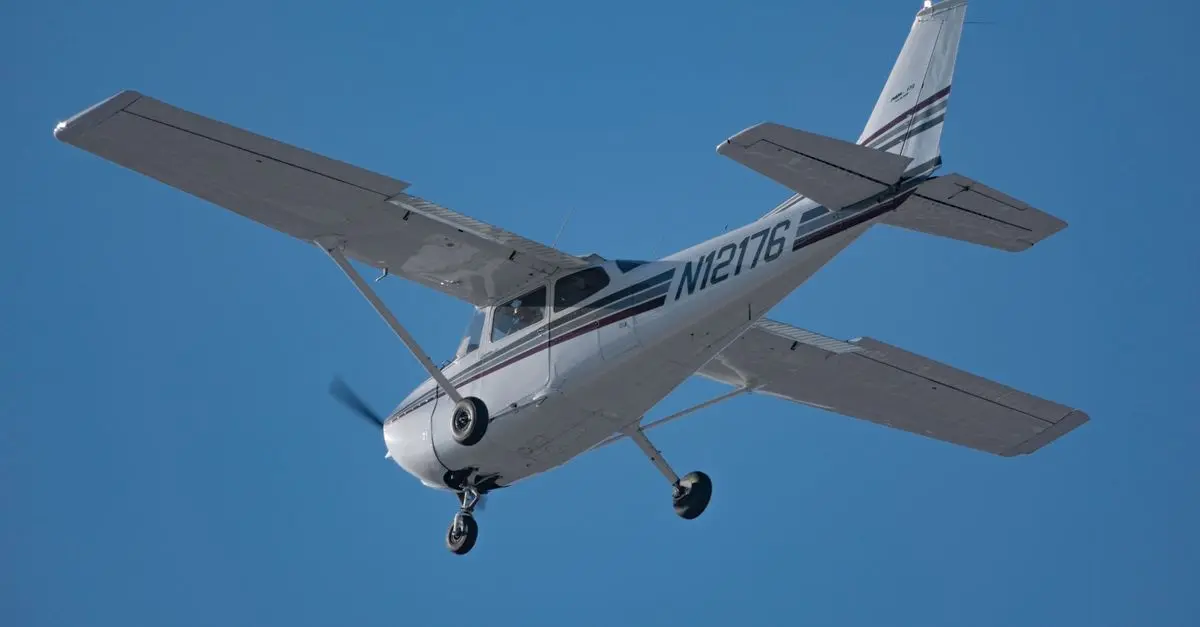
The type of aircraft and training facilities a flight school offers can drastically affect your training experience. Check the diversity and quality of the school’s fleet to ensure that they have well-maintained aircraft suitable for your learning needs. Schools with a broader selection of aircraft types can provide you with exposure to different flight dynamics, which is beneficial for your overall training.
In addition to the fleet, evaluate the simulators and classrooms. Advanced simulators can enhance your learning and reduce the number of flight hours needed for certain certifications. Facilities should be modern and equipped with the necessary technology to provide a thorough aviation education. A comprehensive training environment contributes to developing the skills needed to excel in actual flying scenarios.
4. Compare Costs and Financing Options
Cost is a significant factor in choosing a flight school. Flight training can be a substantial financial investment, with total costs varying widely from one school to another based on location, type of aircraft used, and the duration of the training programs. On average, becoming a private pilot may cost between $8,000 to $15,000, while obtaining an airline transport pilot license may exceed $60,000.
Explore financing options promoted by the school, such as loans, payment plans, or scholarships. Some schools offer financial aid for eligible students, and understanding these options can alleviate some financial stress associated with your training. Ensure you inquire about any hidden fees that might not be included in the upfront tuition costs, like flight exam fees, equipment, and uniform costs.
5. Check Instructor Qualifications
The quality of your training significantly depends on your instructors. Research the qualifications and experience of the flight instructors at the schools you are considering. Excellent flight schools typically employ instructors who have significant flying experience, advanced certifications, and a passion for teaching. This blend of skills ensures that you receive top-notch training.
Don’t hesitate to ask schools about their instructor turnover rates as well. High turnover can indicate potential issues with the training environment. Talk to current or former students about their experiences with instructors to get a clearer idea of what to expect.
💡 Expert Tip: Have a brief introductory meeting with potential instructors to assess their communication style and teaching philosophy. A good rapport can enhance your learning experience.
6. Make Your Decision and Enroll
Now that you have gathered all necessary information and evaluated your options, it’s time to make your decision and enroll in a flight school. When choosing, trust your instincts and select the school that aligns best with your training goals, financial situation, and personal preferences. Remember, the right choice will keep you motivated throughout your training journey.
Finally, ensure you prepare for enrollment by organizing all the required paperwork, including medical certificates and identification, and securing funding as needed. Preparation can smooth the transition into flight training and facilitate a positive start on your journey to becoming a pilot.


Checklist before Enrolling
- [ ] Define your aviation career goals
- [ ] Verify school accreditation and reputation
- [ ] Evaluate the fleet and facilities
- [ ] Compare costs and financing options
- [ ] Check instructor qualifications
Glossary
| Terme | Définition |
|---|---|
| Accréditation | Processus par lequel une institution est reconnue pour respecter des normes académiques spécifiques. |
| Pilote de ligne | Pilote qualifié pour opérer des vols commerciaux en tant que membre d'équipage d'un avion. |
| Simulateur de vol | Appareil qui imite le comportement d'un avion pour la formation des pilotes. |
📺 Ressource Vidéo
> 📺 For further insights: [Flight School Selection Guide], an in-depth analysis of how to choose the right flight school for your training needs. Search on YouTube: how to choose flight school 2026.
🧠 Quiz rapide :
> What is the most crucial factor when choosing a flight school?
> - A) Location
> - B) Cost
> - C) Instructor quality
> Réponse : C — Instructor quality is vital for effective training.
📺 Pour aller plus loin : how to choose flight school 2026 sur YouTube
Recommended products
Selected by our experts
Moonglow LLC Personalized Engraved Choose Your Moon Phase Orion Necklace
sharperimage.com
This personalized necklace could serve as a meaningful gift to celebrate your journey towards becoming a pilot.
Women's The Pink Reef Flight Rhinestone Earrings / Blue
wolfandbadger.com
Stylish aviation-themed earrings could be a perfect accessory to wear during your training.
Skechers Slip-ins GO GOLF Flight Golf Shoes - White/Green - 12 - MEDIUM
carlsgolfland.com
Comfort and style are essential for a pilot in training; these shoes would make a great choice for your lessons.