Table of Contents (9 sections)
Becoming a pilot is a dream for many, but it requires mastering a range of flight training skills. From understanding aerodynamics to effective communication with air traffic control, these skills are critical for a safe and successful flying experience. In this guide, we'll explore the essential skills you need to cultivate during your training, providing a practical roadmap for aspiring aviators.
1. Understanding Aerodynamics and Aircraft Systems
A solid understanding of aerodynamics is crucial for any pilot. This involves knowing how forces act on an aircraft during different phases of flight. For example, lift is generated as air flows over the wings, while drag counters the aircraft's forward motion. Familiarity with the Four Forces of Flight—lift, weight, thrust, and drag—provides a foundation for effective flight操作.
Additionally, knowing your aircraft's systems—from the engines to the navigation equipment—is equally important. Properly understanding how each system operates helps in troubleshooting and ensures a safer flight.
For example, during pre-flight checks, a good pilot will assess low fuel indicators, inspect landing gear, and ensure communication equipment is functioning properly. By mastering these skills, pilots can operate their aircraft confidently and safely.
2. Mastering Navigation Tools and Techniques
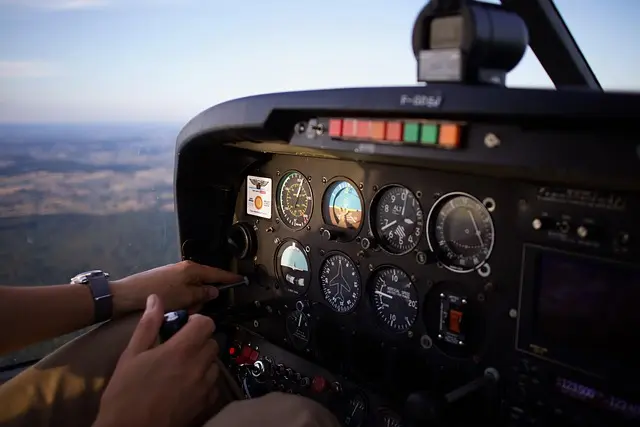
Navigating through the skies requires proficiency with both traditional and modern navigation methods. Pilots must become adept at using instruments such as the altimeter, compass, and GPS. Knowing how to read and interpret navigation charts, including VFR (Visual Flight Rules) and IFR (Instrument Flight Rules) charts, is also essential.
Additionally, situational awareness is a crucial skill. Pilots must continually process a wide array of information and make split-second decisions. This includes monitoring the aircraft's position and altitude, assessing weather conditions, and communicating with air traffic controllers. Practice is key here: spend time simulating different scenarios where you must navigate complex airspaces effectively and respond to unexpected changes.
3. Effective Communication Skills
Communication is vital in aviation. Pilots must clearly articulate instructions to crew members and communicate effectively with air traffic control (ATC). Understanding aviation phraseology, such as “Roger” (received and understood) or “Wilco” (will comply), helps streamline communication and reduce misunderstandings in busy airspace.
Regularly practicing these communications can improve fluency and confidence, especially under stress. Role-playing scenarios with your instructor or fellow students can also be beneficial. Once you feel comfortable, ask feedback from your peers or instructors to refine your skills further. Well-honed communication skills can make all the difference in emergency situations, which can affect overall flight safety tremendously.
4. Decision-Making and Situational Awareness
Situational awareness involves knowing what's happening around you and anticipating future situations. This includes observing the weather, understanding how to manage fuel loads, and being aware of air traffic in your vicinity. Decision-making skills are intertwined with situational awareness. A pilot must make decisions based on the data they gather and the current state of their flight.
For effective decision-making, consider the OODA loop: Observe, Orient, Decide, and Act. Practicing this framework during flight training can enhance your ability to respond effectively to evolving situations in the cockpit. Engage in discussion with your instructor about past flights and joint decision-making processes—how decisions altered the course of the flight.
5. Practicing Emergency Procedures
Being prepared for emergency situations is a critical skill that must be practiced repeatedly. This could range from engine failures to severe weather conditions. It’s essential to familiarize yourself with emergency protocols and develop skills in handling various simulations.
For instance, practice engine-out scenarios during training flights, discussing how to respond, and which procedures to follow. Understanding emergency procedures instinctively can save lives in high-pressure situations.
6. Time and Resource Management
Lastly, effective time and resource management is an underrated, yet crucial skill for pilots. This includes managing your cockpit workload, planning for scheduled maintenance on your aircraft, and ensuring that personal time limits for flying hours are adhered to, per regulatory standards. With numerous tasks physically and mentally involved in flying, setting priorities can ease cognitive load and maximize effectiveness. Utilizing flight planning software or checklists can significantly help streamline operations. Regularly reviewing your performance during varying flight conditions can refine how you allocate resources effectively while remaining focused on the primary task—flying the aircraft.
Checklist before Buy
- [ ] Understand key aerodynamics principles
- [ ] Master navigation tools and techniques
- [ ] Enhance communication skills with ATC
- [ ] Practice emergency response scenarios
- [ ] Develop decision-making frameworks
- [ ] Optimize time and resource management
📺 For further learning: *Check out our video on
À lire aussi
Recommended products
Selected by our experts

Syedee - Seated Dip Machine with Max 400lbs Plate Loaded, Adjustable Tricep Press with Cable Bar for Biceps Chest Training - Red
bestbuy.com


Uplifted Goods Fitness Training Gloves For Weightlifting Gym And Workout Support a red m
inspireuplift.com