Table of Contents (20 sections)
Becoming a pilot is a dream for many aviation enthusiasts. The journey to obtaining a pilot's license is filled with various stages and expectations that are crucial for aspiring pilots to understand. This informative guide provides insights into the pilot training expectations at each step of the way. Familiarizing yourself with these aspects will prepare you not only mentally but also practically for the challenges that lie ahead.
Understanding Pilot Training Expectations
What is Pilot Training?
Pilot training is an instructional process designed to equip individuals with the necessary skills, knowledge, and experience to operate aircraft safely and efficiently. The training usually involves both ground school and flight training, where each segment plays a critical role in the educational experience. Ground school focuses on theoretical knowledge such as aerodynamics, navigation, meteorology, and regulations. In contrast, flight training emphasizes practical hands-on experience in an aircraft under the supervision of an instructor.
Importance of Setting Expectations
Setting realistic expectations is essential for the success of your pilot training journey. Understanding what to expect in terms of commitment, time, cost, and emotional investment can alleviate stress and enhance your learning experience. For example, many students underestimate the amount of time they need to dedicate to studying or fulfilling flight hours. According to the Federal Aviation Administration (FAA), a minimum of 40 hours of flight time is required for a private pilot license, but most students take around 60 to 70 hours.
The Stages of Pilot Training
Step 1: Ground School
The foundational step in pilot training begins with ground school. Here, you'll learn the principles of aviation, including navigation, aircraft systems, weather, and flight regulations. Ground school can take place in person or online and usually consists of approximately 30 to 40 hours of instruction. Engaging with knowledgeable instructors during this stage is key, as their insights can simplify complex topics.
Step 2: Flight Training
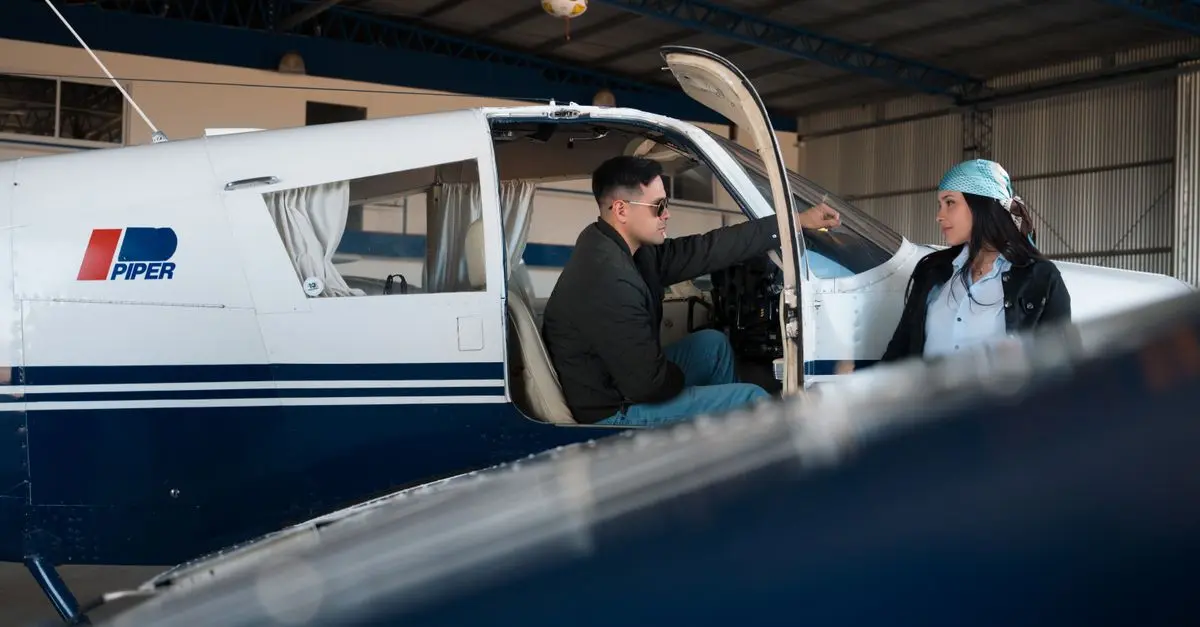
Following ground school, future pilots move on to flight training, which is where the theoretical knowledge gets applied in real scenarios. This stage is where students will fly in tandem with a qualified instructor. You'll learn essential skills including takeoffs, landings, emergency procedures, and navigation disciplines. Simulation training may also be part of this process to provide a risk-free environment to practice critical skills. It's common for students to face challenges here; staying persistent and open to feedback is crucial.
Step 3: Checkride
Once you have met the flight time requirements and have demonstrated the necessary skills, the next step is the practical test, commonly known as a checkride. This involves both a verbal and practical assessment conducted by an FAA examiner. Successfully passing this checkride is essential to obtain your pilot's license. Many students find this part intimidating, which is natural. Preparation is essential, and many find that practice tests and mock checkrides significantly help boost their confidence.

Gymax - 18'' Kids Bicycle Children's Training Bicycle w/ Removable Training Wheels & Basket - Purple
bestbuy.com


Gymax - 16'' Kids Bicycle Children's Training Bicycle w/ Removable Training Wheels & Basket - Pink
bestbuy.com
Comparison of Pilot License Types
| License Type | Required Flight Hours | Cost Estimate | Additional Requirements |
|---|---|---|---|
| Private Pilot License | Minimum 40 hours | $8,000 - $15,000 | Pass medical exam, checkride |
| Commercial Pilot License | Minimum 250 hours | $20,000 - $35,000 | Pass extensive written and practical tests |
| Instrument Rating | Additional 40 hours | $8,000 - $12,000 | Requires accumulation of flight hours and exam |
| Airline Transport Pilot | Minimum 1500 hours | $30,000 - $50,000 | Extensive training and exams |
This table outlines various pilot license types, their requirements, and associated costs, offering a clear view of the commitments involved at each training stage.
Analytics on Pilot Training Trends
The pilot training industry has experienced a significant shift in recent years. According to the Bureau of Labor Statistics, the demand for pilots is expected to grow by 5% from 2020 to 2030. This aligns with the anticipated increase in air traffic and retiring pilots, highlighting that now is an excellent time to embark on your training journey.
Expert Insights
> 💡 Expert Opinion: "It's crucial for aspiring pilots to find a reputable flight school and instructor. This can drastically influence your training experience and success. Always ask for recommendations and do your research."
📺 Resource Video
> For further insights, watch [Your Pilot Training Roadmap], a comprehensive guide covering every aspect of pilot training. Search on YouTube for:
> pilot training expectations 2026

Gymax - 18'' Kids Bicycle Children's Training Bicycle w/ Removable Training Wheels & Basket - Pink
bestbuy.com

Gymax - 14'' Kids Bicycle Children's Training Bicycle w/ Removable Training Wheels & Basket - Pink
bestbuy.com

Gymax - 14'' Kids Bicycle Children's Training Bicycle w/ Removable Training Wheels & Basket - Purple
bestbuy.com
Frequently Asked Questions
What is the difference between a private and commercial pilot license?
A private pilot license allows you to fly for personal use, while a commercial license enables you to be compensated for your flying services.
How long does it take to become a pilot?
The timeframe can vary widely based on personal commitment and the availability of flight hours, but it typically ranges from 6 months to 2 years.
How much does pilot training cost?
Pilot training costs vary significantly but expect between $8,000 and $15,000 for a private license and up to $50,000 for commercial training.
Can I get financial aid for pilot training?
Yes, several loans and scholarships are available specifically for flight training. Research thoroughly to identify opportunities that align with your goals.
Glossary
| Term | Definition |
|---|---|
| Flight Hours | The total time spent in the cockpit of an aircraft during training. |
| Checkride | The final test where an FAA examiner assesses a pilot student's skills. |
| Ground School | The theoretical part of pilot training focusing on aviation principles.
Checklist Before Training
- [ ] Research flight schools in your area
- [ ] Understand the medical requirements
- [ ] Prepare financially for training costs
- [ ] Engage in networking to find mentors
- [ ] Familiarize yourself with aviation terminology
As you embark on your pilot training journey, remember that each stage presents unique opportunities for growth. Embrace the learning process, seek help when needed, and maintain a positive attitude throughout your training. Your dream of flying is closer than you think!
Recommended Products
- [Gymax 18'' Kids Bicycle Training Bicycle]: Great for enhancing coordination skills for young aspiring pilots.
- [New Balance 608v5 Women's Training Shoes]: Ideal for comfortable and supportive footwear while in flight training.
- [Propet Ultra Training Shoe for Men]: Provides durability and comfort for extended training hours on the ground.
📺 Pour aller plus loin : pilot training expectations 2026 sur YouTube
Recommended products
Selected by our experts

Gymax - 16'' Kids Bicycle Children's Training Bicycle w/ Removable Training Wheels & Basket - Purple
bestbuy.com

Syedee - Seated Dip Machine with Max 400lbs Plate Loaded, Adjustable Tricep Press with Cable Bar for Biceps Chest Training - Red
bestbuy.com


Uplifted Goods Fitness Training Gloves For Weightlifting Gym And Workout Support a red m
inspireuplift.com