Table of Contents (10 sections)
Flying an airplane for the first time is a thrilling experience for any aspiring pilot. However, it can also be a bit daunting. Knowing what to expect during your first flight training lesson can help ease nerves and prepare you for this exciting step in your journey to becoming a pilot.
Step 1: Understanding the Basics of Flight Training
Before you take off, it's essential to grasp the fundamental concepts of flight training. Flight training is designed to take you from a beginner to a competent pilot through structured lessons and practice. The first lesson typically involves a ground school session, where you learn about aircraft components, safety procedures, and how to communicate effectively with air traffic control.
Many flight schools focus on the principles of aerodynamics and the flight environment. According to the Federal Aviation Administration (FAA), understanding these basics ensures safety and enhances pilot proficiency.
It's also wise to familiarize yourself with aviation terms. For instance, knowing what an ‘altitude’ or ‘aerodynamic lift’ means will help in both ground instruction and in-flight communications. Take time to review these concepts ahead of time, as they will form the foundation of your future flying skills.
Step 2: Arriving for Your First Lesson
Plan to arrive early for your first lesson. This will give you time to settle in, ask any last-minute questions, and review your materials or notes. On arrival, you will typically meet your instructor—someone who will guide you throughout your training. Build rapport with them; a comfortable relationship with your instructor can significantly impact your learning experience.
Bring necessary documents such as your medical certificate (if you have one already), identification, and any paperwork required by your flight school. Dress appropriately for the occasion—wear comfortable clothes, and consider closed-toed shoes for safety. Remember, every flight school has its own specific requirements, so check beforehand to ensure you have everything prepared.
Step 3: Safety Briefing and Pre-Flight Checks
Safety is paramount in aviation. Your instructor will conduct a thorough safety briefing before your flight. This briefing will cover emergency procedures, aircraft systems, and the importance of life vests or parachutes, depending on the aircraft type.
Next, you'll perform a pre-flight check together. Pre-flight checks involve inspecting the aircraft for any visible issues and ensuring that all equipment is functioning correctly. According to a study by AOPA, performing checks reduces the risk of accidents significantly.
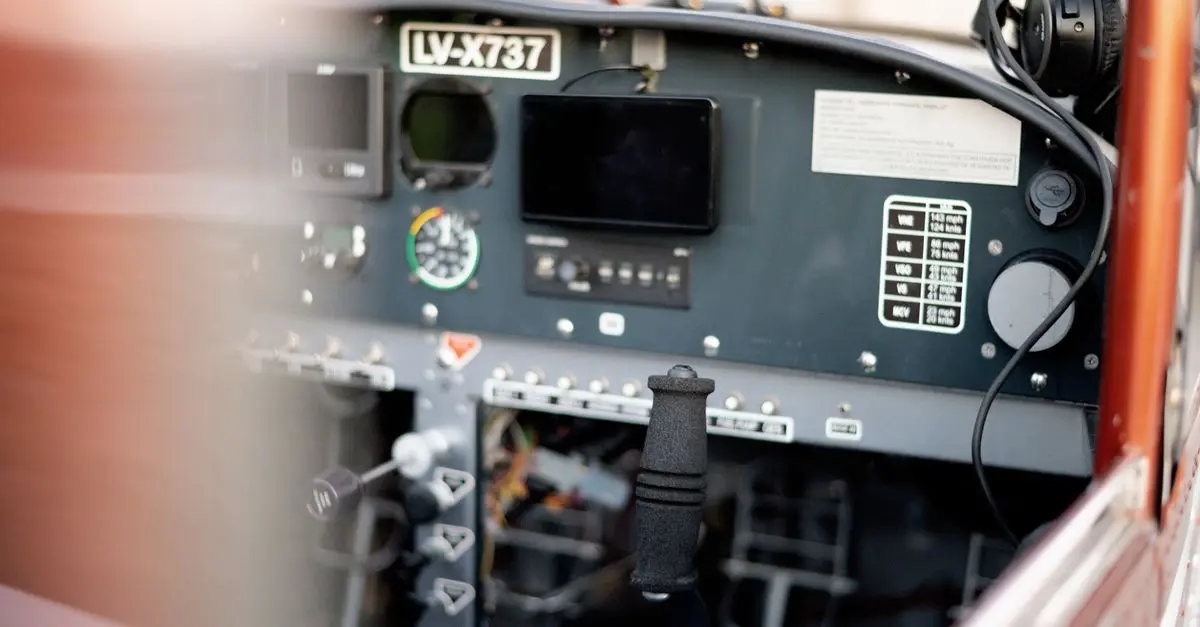
Be prepared to learn how to operate the various cockpit instruments and controls, as you’ll need to demonstrate this knowledge before taking off. Familiarity with the cockpit enhances your situational awareness and improves overall safety.
Step 4: The Flight Experience
Once you’ve completed the briefings and pre-flight checks, it's time to take to the skies! Your first flight is likely to be a familiarization flight, designed to get you accustomed to the aircraft and basic flight maneuvers.
Your instructor will manage the takeoff and landing but will allow you to control the aircraft in between. Expect to feel a rush of adrenaline as you ascend into the sky. According to The International Air Transport Association (IATA), the sense of freedom associated with flying can enhance cognitive and emotional well-being. Embrace the moment!
During the flight, focus on understanding how to maneuver the aircraft and communicate with your instructor. If you make a mistake, don’t worry—it’s completely normal! Learning from your experiences is part of the process.
Step 5: Post-Flight Debrief
After your flight, there will be a debriefing session with your instructor. This session is critical for understanding what you’ve learned and areas that may need improvement. Feedback during this stage will help you refine your skills and enhance your learning pace. Take notes during this session; they will be invaluable for your subsequent lessons.
You may also spend some time discussing your feelings about the flight and seeking advice on how to overcome any nervousness or challenges you faced. Additionally, it’s a good practice to ask your instructor for recommendations on study materials for your next lesson.
Step 6: Review and Prepare for Next Steps
After your first lesson, take time to review what you learned. Focus not only on the technical skills but also on personal reflections regarding your flight experience. Practicing what you’ve learned on the ground, through simulation, and reading will enhance retention.
As you prepare for subsequent lessons, consider utilizing additional resources or tools. Many flight schools provide access to simulators which can be particularly helpful for practicing maneuvers without the pressure of being in flight.
Lastly, remember that aviation is a cumulative learning process; each flight will build upon what you've already accomplished. Keep an open mind, stay motivated, and don’t hesitate to reach out to your instructor for support.
💡 Pro Tip: Join online forums or communities of pilots, as they can provide additional insights, experiences, and encouragement. Many have gone through similar challenges, and their advice can be invaluable.
Checklist Before Your First Flight Training Lesson
- [ ] Confirm your flight training appointment.
- [ ] Gather necessary documents (ID, medical certificate).
- [ ] Wear appropriate and comfortable clothing.
- [ ] Arrive at the flight school early.
- [ ] Review basic flight concepts.
Glossary
| Term | Definition |
|---|---|
| Aerodynamics | The study of the behavior of air as it interacts with solid objects, like an aircraft. |
| Pre-flight Check | A series of inspections and checks performed on an aircraft before departure to ensure safety. |
| Cockpit | The area of the aircraft where the pilot controls the flight and monitors the aircraft's operations. |

Chicco Cuillère Enfant Easy Training Silicone Bleu +6m 2u
DocMorris FR (ex DoctiPharma FR)

Fleshlight Pink Lady Stamina Training Unit 1pièce
DocMorris FR (ex DoctiPharma FR)

📺 Resource Video
> 📺 For further learning: A Comprehensive Guide to Starting Flight Training, a detailed overview of essential steps and tips. Search on YouTube: first flight training lesson 2026 guide.
📺 Pour aller plus loin : first flight training lesson guide 2026 sur YouTube
Recommended products
Selected by our experts
Chicco Cuillère Enfant Easy Training Silicone Bleu +6m 2u
DocMorris FR (ex DoctiPharma FR)
This product is ideal for beginners to help with proper nutrition during flight training.
Fleshlight Pink Lady Stamina Training Unit 1pièce
DocMorris FR (ex DoctiPharma FR)
This product is recommended as it helps with hydration and can enhance focus for flight lessons.
RehabMedic Training Band Argent 1pc
DocMorris FR (ex DoctiPharma FR)
Useful for keeping your muscles engaged during long hours of training, aiding in overall performance.