Table of Contents (15 sections)
Becoming a pilot is a dream for many individuals, but it requires more than just a passion for flying. There are several essential skills to become a pilot that aspiring aviators needs to cultivate to succeed in their training and future careers. In this article, we will explore these key skills in detail.
1. Strong Communication Skills
Effective communication is paramount in aviation. Pilots are required to communicate clearly with air traffic control, co-pilots, and cabin crew. This involves not just verbal communication but also listening skills, as miscommunication can lead to dangerous situations. According to a study by the University of Southern California, a significant percentage of aviation incidents are attributed to communication breakdowns. Therefore, aspiring pilots must practice articulating their thoughts concisely and learning aviation terminology. These skills can be enhanced through group activities, public speaking courses, or flight simulation challenges, thereby preparing future pilots for real-world scenarios.
2. Critical Thinking and Problem Solving
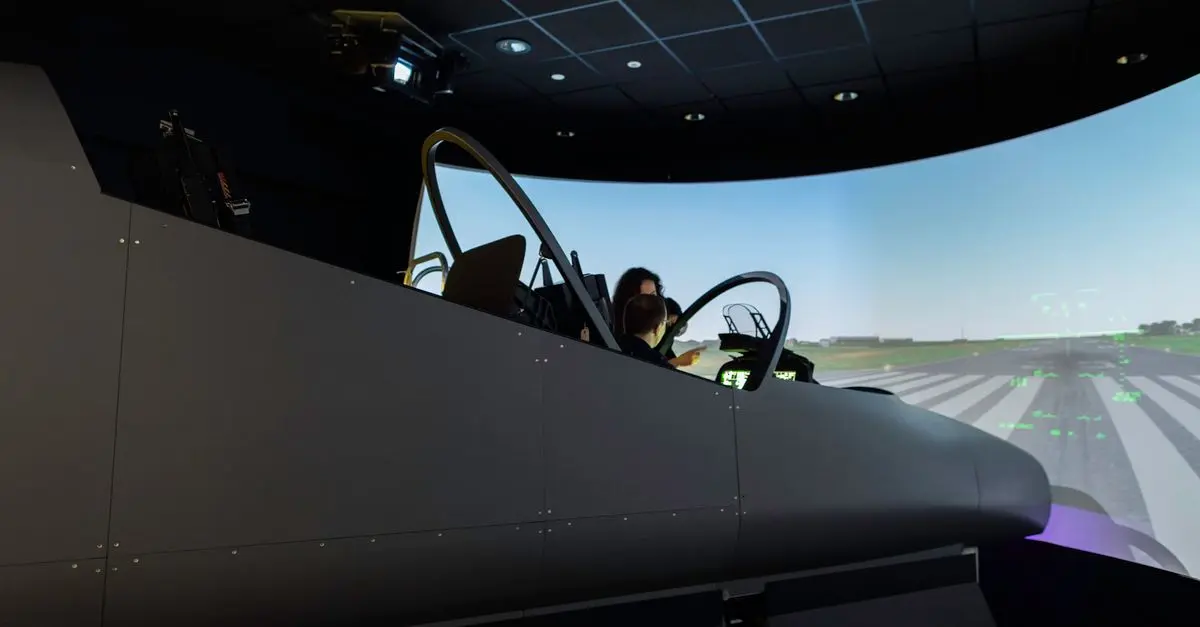
Pilots face unexpected situations frequently, from sudden weather changes to technical issues with the aircraft. Critical thinking and problem-solving abilities are essential. Pilots must evaluate situations quickly and determine the best course of action. This skill set can be developed through various flight training simulations that present challenging scenarios. For instance, simulation software often replicates emergency situations, forcing pilots to make quick decisions—helping them hone these essential skills under pressure.
Uplift Essentials Rotatable Adjustable Tablet Stand For IPad And Tablets black 1
inspireuplift.com
Uplift Essentials Tripod Floor Tablet Stand Adjustable Heavy Duty Tablet Support Tripod Floor Tablet Stand Adjustable Heavy Duty Tablet Support
inspireuplift.com
Uplift Essentials Rotatable Adjustable Tablet Stand For IPad And Tablets black 2
inspireuplift.com
3. Attention to Detail
In aviation, overlooking a small detail can have significant consequences. Pilots must be meticulous in following checklists and protocols to ensure safety. This attention to detail also extends to pre-flight inspections, flight planning, and navigation. According to the National Transportation Safety Board (NTSB), many accidents occur due to human error often associated with negligence in detailed procedures. Aspiring pilots should embrace training exercises that emphasize the importance of detail-oriented practices, thus ingraining these habits into their flying routine.
4. Excellent Time Management
Time management is a pivotal skill for pilots, who must juggle multiple responsibilities before and during flights. From meeting check-in deadlines and conducting safety checks to coordinating with crew members, effective time management is crucial. According to a report by the Federal Aviation Administration (FAA), poor time management can lead to rushed decisions and oversights. Pilots can develop this skill by creating structured routines during training, prioritizing tasks, and understanding the significance of adhering to schedules.
5. Teamwork and Leadership
Flying is rarely a solo endeavor; pilots must work closely with co-pilots and cabin crews, necessitating strong teamwork skills. Furthermore, in command situations, leadership skills are essential for ensuring a cohesive team dynamic. Participating in group flights or multi-crew simulator sessions can help aspiring pilots understand the dynamics of teamwork and leadership. Case studies from major airlines show that collaborative efforts often lead to safer flights and better communication among the crew, reinforcing the vital need for these skills.
6.Technical Proficiency
Understanding the aircraft's mechanics is crucial for any pilot. Familiarity with aircraft systems, navigation tools, and flight instruments is essential for safe flying. Training programs incorporate hands-on instruction that covers both theoretical and practical knowledge. Moreover, ongoing education about technological advancements in aviation equipment helps pilots maintain their technical proficiency, as technology rapidly evolves in the aviation industry.
Uplift Essentials Rotatable Adjustable Tablet Stand For IPad And Tablets silver 1
inspireuplift.com
Uplift Essentials Rotatable Adjustable Tablet Stand For IPad And Tablets silver 2
inspireuplift.com
beautyblender Beautyblender Bounce Haus Essential Trio Gift Set, - None - Size: 0.31 Oz
kohls.com
7. Emotional Intelligence
Pilots often deal with high-stress situations that require a calm demeanor and the ability to connect with passengers and crew. Emotional intelligence includes self-awareness, self-regulation, and interpersonal skills, which can improve how pilots respond to stressful events, like turbulence or emergencies. Workshops or training focused on emotional resilience and conflict resolution can support the development of these skills.
8. Adaptability and Flexibility
The nature of aviation is ever-changing—flight schedules, weather conditions, and regulations can change rapidly. Consequently, pilots must be adaptable and flexible, ready to adjust plans accordingly. Simulated training exercises expose pilots to uncertain conditions, teaching them how to remain composed and make quick adjustments. Enhancing adaptability is essential for long-term success in aviation.
9. Physical and Mental Fitness
Pilots must also maintain good physical health to handle the demands of their job. Physical fitness can impact cognitive functions and the ability to respond under pressure. Regular health check-ups and fitness routines should be part of an aspiring pilot's preparation. Mental fitness is equally important—aspiring pilots should practice stress management techniques to maintain focus and performance during flights.
10. Knowledge of Aviation Regulations
Understanding aviation rules and regulations is crucial for compliance and safety in the aviation industry. Pilots must be well-versed in national and international regulations, including procedural guidelines from organizations like the FAA. Training usually includes studying these regulations, but being informed about the constantly changing legal landscape is also vital for aspiring pilots.
Summary Checklist
- [ ] Develop strong communication skills.
- [ ] Practice critical thinking and problem solving.
- [ ] Focus on details in all procedures.
- [ ] Enhance time management techniques.
- [ ] Foster teamwork and leadership abilities.
- [ ] Build technical proficiency with aircraft systems.
- [ ] Improve emotional intelligence for managing stress.
- [ ] Cultivate adaptability and flexibility in planning.
- [ ] Maintain physical and mental fitness.
- [ ] Stay updated on aviation regulations.
Glossary
| Terme | Définition |
|---|---|
| Aviation Safety | Measures designed to ensure safe operation of aircraft. |
| Flight Simulation | Reproduction of flight scenarios for training purposes. |
| Checklists | Predefined lists of tasks and procedures pilots must complete before flights. |
📺 Resource Video
> Discover the essential skills and training for aspiring pilots—an analysis covering all you need to prepare for a career flying aircraft. Search on YouTube: essential skills for pilots 2026.
Conclusion
Becoming a pilot requires a diverse range of skills that must be developed through rigorous training, practice, and continuous education. By fostering the essential skills to become a pilot, one can ensure a successful aviation career. If you're passionate about flying, start honing these skills today and prepare for the sky!
📺 Pour aller plus loin : 5 steps to become a Pilot! sur YouTube
Recommended products
Selected by our experts
Uplift Essentials Silicone T Shaped Eye Patch For Facial Skincare Silicone T Shaped Eye Patch For Facial Skincare
inspireuplift.com


ilyeco 30Pcs Vitamin Leave In Hair Care Essential Oil, Hair Care Capsules Keratin Essence, Protein Smooth Hair Essential Oil keratin
inspireuplift.com