Table of Contents (20 sections)
Becoming a pilot is a dream for many, offering the thrill of flying and a career filled with adventure. However, it requires not just a passion for aviation, but also a set of essential skills necessary for success in this field. In this article, we explore the key skills that aspiring pilots need to develop, ensuring they are well-equipped to soar in their aviation careers.
1. Technical Proficiency
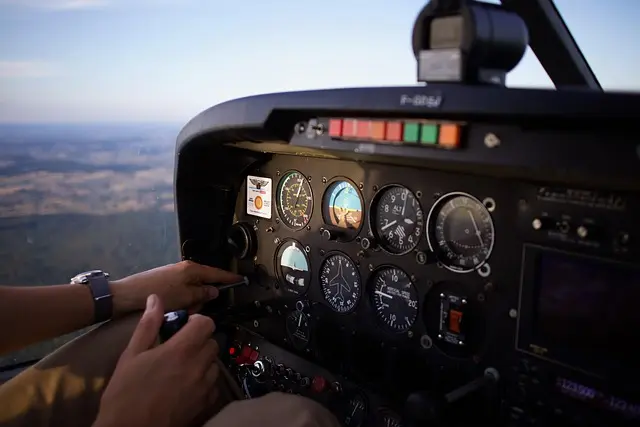
Technical proficiency is paramount for any pilot. This skill set includes understanding flight systems, navigation, and aircraft performance. Pilots must be able to interpret data from instruments, make quick decisions based on real-time information, and execute complex procedures accurately. Aspiring pilots should engage in ground school to grasp these technical aspects thoroughly. For instance, learning to read aeronautical charts and becoming adept in using flight simulators can significantly enhance one's technical capabilities.
2. Communication Skills
Effective communication is crucial in aviation, not just for inter-pilot dialogue but also in interactions with air traffic control and crew members. Pilots must convey information clearly and receive instructions accurately. Miscommunication can lead to serious incidents, highlighting the importance of both verbal and non-verbal communication skills. Regular practice in clear annunciation and understanding protocols can help aspiring pilots enhance their communication abilities.
3. Problem-Solving Skills
In the dynamic environment of aviation, pilots face unpredictable situations that require quick and effective problem-solving skills. These scenarios can range from technical malfunctions to changes in weather conditions. Aspiring pilots should participate in scenario-based training, which often involves simulated emergencies that challenge their ability to think critically and make sound decisions under pressure. This training not only builds confidence but also prepares them for real-world aviation challenges.
4. Teamwork and Leadership
Flying is rarely a solo endeavor. Pilots work closely with co-pilots, flight attendants, and ground staff, necessitating robust teamwork and leadership abilities. Aspiring pilots should learn to manage conflicts, motivate team members, and collaborate effectively. Participating in group flight training exercises can provide a practical platform for honing these skills, ensuring pilots can lead and work within a team fluidly.
5. Situational Awareness
Situational awareness involves the ability to perceive and understand the spatial dynamics of the flying environment. Pilots need to be acutely aware of surrounding aircraft, weather conditions, and geographical features. Developing situational awareness requires continuous practice in scanning the environment and integrating various pieces of information quickly. Tools like flight simulators can significantly aid in improving this skill.
6. Time Management
Pilots operate on strict schedules, and time management is a vital skill in ensuring timely departures and arrivals. This skill also extends to managing tasks during a flight. Aspiring pilots can practice effective time management techniques, such as prioritizing tasks and setting reminders during flight training. Understanding the importance of allocating the right amount of time for pre-flight checks can also significantly influence their efficiency as a pilot.
7. Adaptability
The aviation industry is subject to rapid changes, from new technologies to regulatory updates. Pilots must demonstrate adaptability in their roles. Staying informed through continuous education, including attending workshops and seminars, can significantly improve an aspiring pilot's ability to adapt to new situations. Embracing change and being open to feedback can enhance a pilot's responsiveness and growth in their career.
8. Emotional Intelligence
Emotional intelligence (EI) is crucial in managing stress, making decisions, and navigating interpersonal relationships. A pilot with high emotional intelligence can remain calm during crises and empathize with crew and passengers. Aspiring pilots should engage in self-reflection and seek feedback to develop their EI further. Training programs often incorporate elements that foster emotional resilience, contributing to better overall performance in high-stress environments.
9. Continuous Learning
A career in aviation demands a commitment to lifelong learning. Regulations evolve, technologies advance, and flight techniques improve. Aspiring pilots should cultivate curiosity and a desire to learn constantly. Joining professional organizations and participating in forums can provide valuable resources and networking opportunities. This dedication to continuous education ensures pilots remain up-to-date with industry standards and best practices.
10. Safety Awareness
Safety is the cornerstone of aviation. Aspiring pilots must prioritize safety above all else, incorporating safety practices into every facet of their flying. Regularly reviewing safety protocols and participating in emergency training scenarios can enhance this critical skill. An understanding of safety regulations outlined by organizations like the Federal Aviation Administration (FAA) is essential for maintaining high safety standards throughout one’s flying career.
Checklist of Essential Skills for Aspiring Pilots
- [ ] Develop technical proficiency
- [ ] Enhance communication skills
- [ ] Improve problem-solving skills
- [ ] Practice teamwork and leadership
- [ ] Cultivate situational awareness
- [ ] Master time management
- [ ] Embrace adaptability
- [ ] Invest in emotional intelligence
- [ ] Commit to continuous learning
- [ ] Prioritize safety awareness
Frequently Asked Questions (FAQ)
What qualifications do I need to become a pilot?
To become a pilot, you typically need a high school diploma or equivalent, followed by flight training. Depending on the type of pilot license you seek, additional education and flight hours may be required. Many pilots also pursue college degrees in aviation or related fields.
How long does it take to become a pilot?
The time it takes to become a pilot varies based on the type of license pursued. Generally, it takes 6 months to a year to obtain a private pilot license, while commercial licenses may require one to two years of focused training and flight hours.
What is the most important skill for a pilot?
While several skills are critical, situational awareness is often deemed the most vital. This skill ensures pilots can assess their environment accurately and make informed decisions promptly, thereby enhancing flight safety.
Can I become a pilot at any age?
Yes, you can start training to become a pilot at a young age, typically from 16 for a private pilot license, up to any age as long as you meet the medical requirements. There is no specific upper age limit to becoming a pilot, provided you have the necessary physical and mental capabilities.
Uplift Essentials Rotatable Adjustable Tablet Stand For IPad And Tablets black 1
inspireuplift.com
Uplift Essentials Tripod Floor Tablet Stand Adjustable Heavy Duty Tablet Support Tripod Floor Tablet Stand Adjustable Heavy Duty Tablet Support
inspireuplift.com
Uplift Essentials Rotatable Adjustable Tablet Stand For IPad And Tablets silver 1
inspireuplift.com
Glossary
| Terme | Définition |
|---|---|
| Aeronautical Chart | A representation of the Earth’s surface used in navigation by pilots. |
| Situational Awareness | The perception and understanding of environmental factors affecting flight safety. |
| Federal Aviation Administration (FAA) | The U.S. government organization overseeing and regulating civil aviation. |
📺 Resource Video
> 📺 For further learning: Essential Skills and Education for Aspiring Pilots, a comprehensive guide on becoming a pilot. Search on YouTube: essential skills for pilots 2026.
Recommended products
Selected by our experts
Uplift Essentials Silicone T Shaped Eye Patch For Facial Skincare Silicone T Shaped Eye Patch For Facial Skincare
inspireuplift.com


ilyeco 30Pcs Vitamin Leave In Hair Care Essential Oil, Hair Care Capsules Keratin Essence, Protein Smooth Hair Essential Oil keratin
inspireuplift.com