Table of Contents (21 sections)
Becoming a pilot is a highly rewarding journey, but it also requires a thorough understanding of the pilot certification process. Pilot certification is a critical aspect of becoming a skilled aviator, as it not only ensures that pilots possess the necessary skills and knowledge but also enhances safety in the skies. This guide will provide an in-depth overview of the certification process, covering essential requirements and clear steps to achieve your pilot's license.
What is Pilot Certification?
Pilot certification is the process through which individuals are recognized as qualified to operate aircraft. The certification ensures that pilots have met specific training and knowledge standards set forth by aviation authorities. In the United States, the Federal Aviation Administration (FAA) governs this process.
The significance of pilot certification cannot be overstated. It serves to maintain safety standards in aviation, providing a structured framework that ensures pilots are adequately trained for the responsibilities they undertake. Furthermore, certified pilots are often regarded as more capable and trustworthy by employers and passengers.
To obtain pilot certification, aspiring pilots must complete a series of steps, including training, examinations, and practical flight tests. These steps vary depending on the level of certification sought, whether it be a private pilot license, commercial pilot license, or airline transport pilot certificate. Statistical data from the FAA indicates that in recent years, approximately 95% of all pilots in the U.S. hold at least a private pilot certificate, illustrating the accessibility and importance of becoming certified.
Steps to Obtain Pilot Certification
Step 1: Meet Basic Eligibility Requirements
Before starting the process of earning your pilot certification, it’s essential to meet the basic eligibility requirements. You must be at least 17 years old, possess a valid medical certificate issued by an FAA-authorized aviation medical examiner, and be fluent in English.
Step 2: Choose a Flight School
Selecting the right flight school is a crucial decision in your pilot certification journey. You have various options, ranging from traditional flight academies to university-affiliated programs. When evaluating flight schools, consider factors such as location, cost, instructor experience, and aircraft availability. It’s advisable to visit schools, speak with instructors, and take an introductory flight to help make your decision.
Step 3: Complete Ground School
Ground school provides the foundational knowledge necessary for pilots, covering topics like aerodynamics, navigation, weather, and regulations. You can choose from classroom instruction or online courses tailored to learning styles. Statistics from the FAA show that students who complete ground school significantly outperform their peers who do not.
Step 4: Flight Training
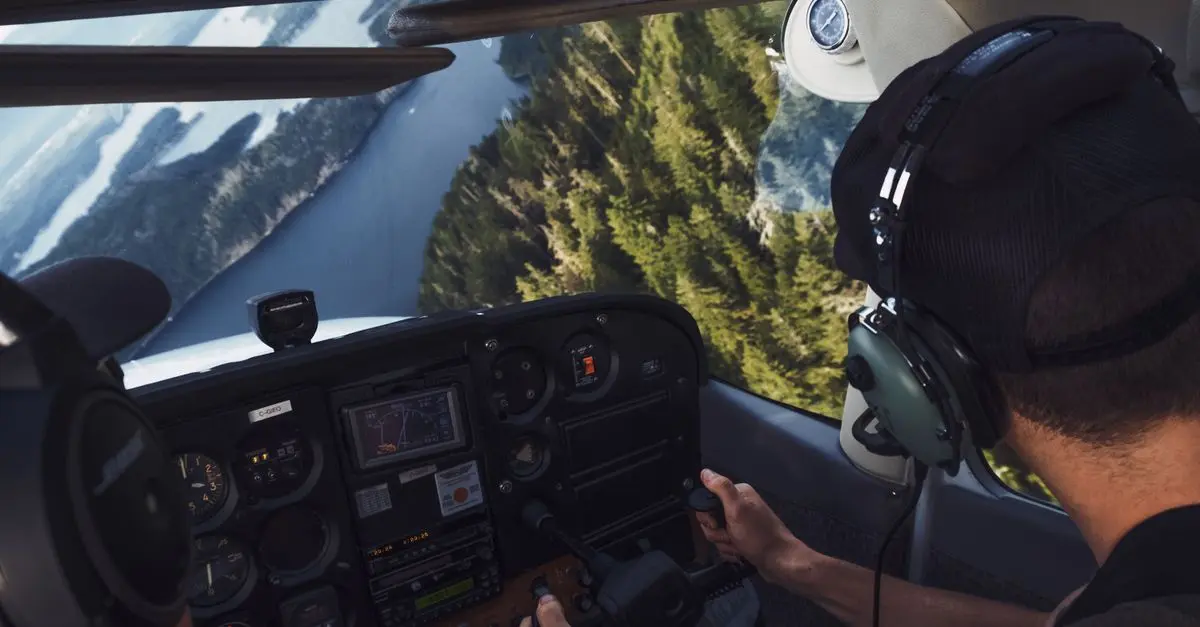
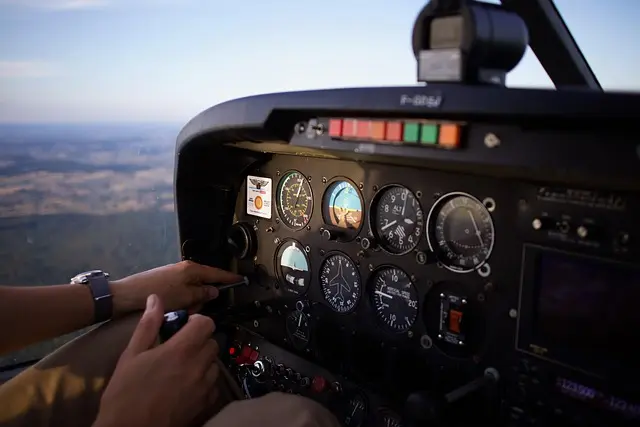
Flight training consists of hands-on instruction in a real aircraft. You'll learn essential flight maneuvers, emergency procedures, and navigation techniques. Training typically requires a minimum of 40 flight hours for a private pilot license, though most students will log more hours before certification.
Step 5: Pass FAA Written Exam
After completing ground school and flight training, you must pass the FAA written exam, which assesses your knowledge of aviation principles. This examination consists of multiple-choice questions and is often regarded as one of the more challenging components of the certification process.
Step 6: Complete Practical Test (Checkride)
The final step in obtaining your pilot certification is the practical test, commonly known as the checkride. The checkride involves an oral examination followed by a flight where you'll demonstrate your flying skills in front of a designated pilot examiner. Successfully passing the checkride confirms your proficiency and allows you to receive your pilot license.


A Comparative Look at Pilot Licenses
Understanding the different types of pilot licenses is essential when considering your aviation career path. Below is a comparison table detailing three common types of pilot certificates:
| License Type | Minimum Flight Hours | Medical Requirement | Limitations |
|---|---|---|---|
| Private Pilot License (PPL) | 40 hours | Class III Medical | Non-commercial flying |
| Commercial Pilot License | 250 hours | Class II Medical | Commercial operations |
| Airline Transport Pilot (ATP) | 1,500 hours | First-Class Medical | Airline operations |
Data-Driven Insights into Pilot Training
The future of pilot training is influenced by various factors, including emerging technologies and changing industry dynamics. According to industry forecasts, the demand for pilots is expected to rise significantly due to an increasing number of airlines and air travel. Boeing's Pilot and Technician Outlook reports a demand for over 800,000 new pilots worldwide over the next two decades, signaling a robust job market for aspiring aviators.
Expert Advice on Becoming a Pilot
> 💡 Expert Opinion: Becoming a pilot is a commitment that requires dedication and passion. According to aviation experts, it's essential to prioritize flight experience and consistently seek additional training opportunities. Embracing continuous learning is key to thriving in this rapidly evolving industry.
FAQ About Pilot Certification
Q1: How long does it take to become a pilot?
A1: The duration can vary based on the individual's schedule and the training program but typically takes several months to a couple of years.
Q2: What’s the cost of pilot training?
A2: Costs can range significantly depending on the flight school and aircraft rental rates, but the average expense for a private pilot license may range from $8,000 to $15,000.
Q3: Do I need a college degree to become a pilot?
A3: No, a college degree is not required for a private pilot license; however, some commercial or airline transport pilot positions prefer or require a degree.
Q4: What types of medical conditions can disqualify someone from obtaining a pilot license?
A4: Conditions such as severe vision impairments, certain heart conditions, and a history of substance abuse may lead to disqualification; however, many individuals with minor conditions are still able to obtain medical clearance.
Freud 1/2 in. D X 1/2 in. X 3-3/4 in. L Carbide Panel Pilot Router Bit
acehardware.com


IWC Big Pilot's Watch Top Gun Black Dial Watch, 43.8mm,Ceramic IW329801 IWC
benbridge.com
Checklist before Starting Your Pilot Journey
- [ ] Ensure you meet the age and medical requirements
- [ ] Research flight schools and flight programs
- [ ] Complete ground school training
- [ ] Log sufficient flight hours with an instructor
- [ ] Prepare for the FAA written exam
- [ ] Schedule and prepare for the practical test
Glossary
| Term | Definition |
|---|---|
| Pilot Certification | The process of validating that an individual has the necessary skills and knowledge to operate an aircraft. |
| FAA | The Federal Aviation Administration, the regulatory authority for aviation in the U.S. |
| Checkride | Practical test conducted by an examiner to assess a pilot’s flying skills. |
📺 Resource Video
> 📺 For more information: Explore an in-depth analysis of the pilot certification process and requirements. Search on YouTube: "pilot certification process 2026".
Recommended products
Selected by our experts

Pre-Owned IWC Pilot�s Watch Chronograph Black Dial Watch, 43mm,Stainless Steel RIW377710#5675352 IWC
benbridge.com