Table of Contents (9 sections)
Introduction to Pilot Training Simulators
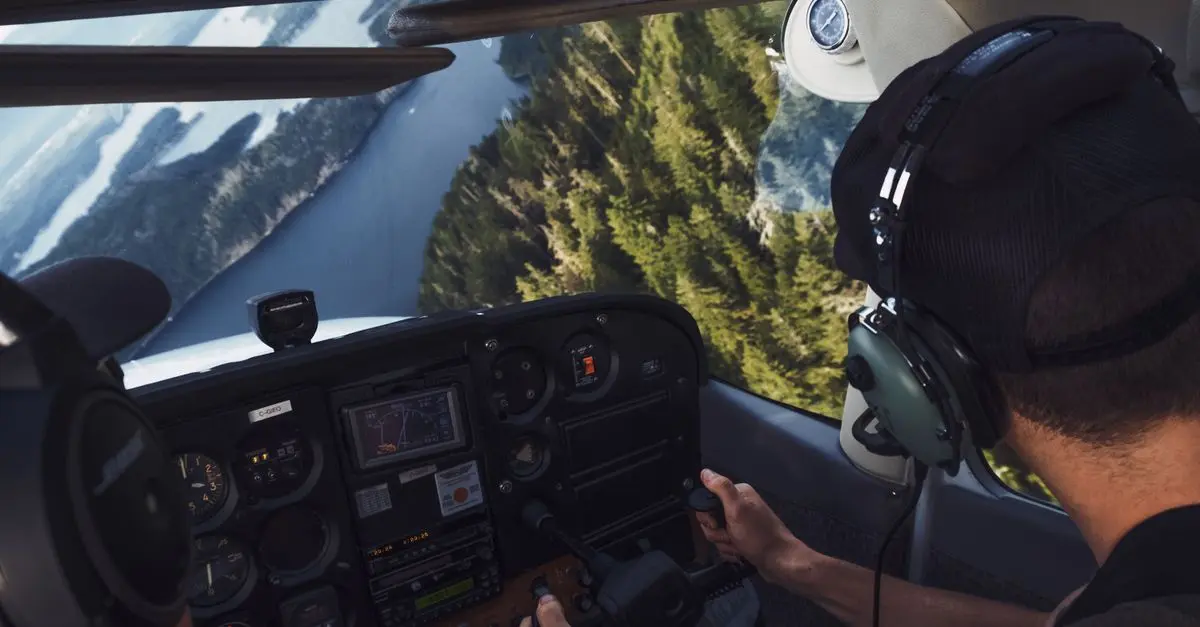
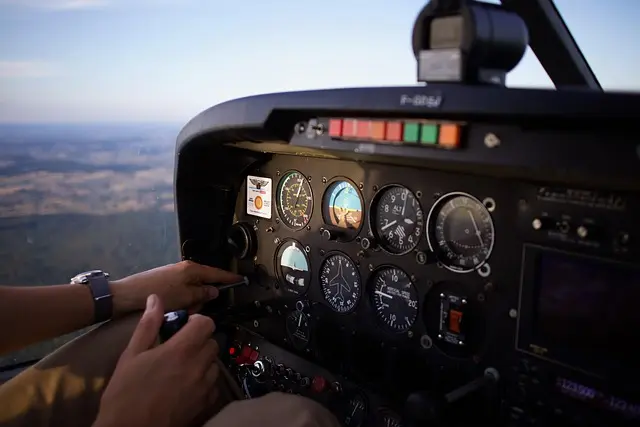
Pilot training simulators have become an essential component of aviation education, offering realistic scenarios to enhance pilot training programs. These high-tech devices provide aspiring pilots with a safe and controlled environment to practice and perfect their flying skills before taking control of an actual aircraft.
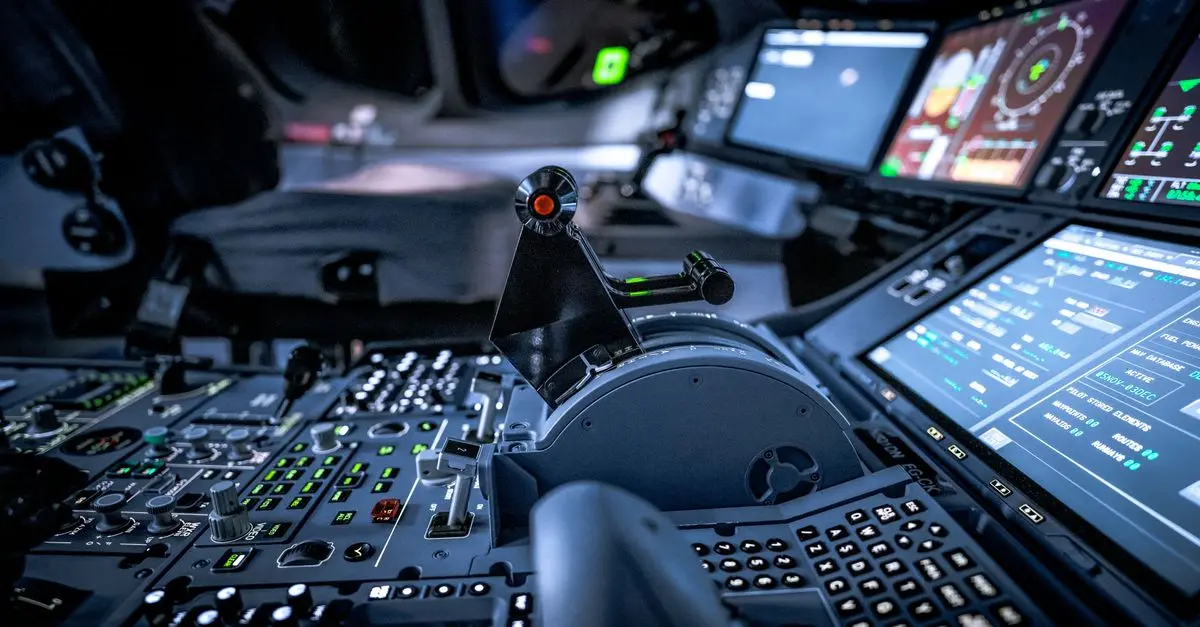
Simulators replicate real-world flying conditions with advanced graphics and feedback systems. This allows trainees to experience a variety of situations, from routine operations to emergency scenarios, without the risks involved in actual flight. The technology behind these simulators has evolved significantly over the years, providing even more precise and immersive experiences for pilots.
Benefits and Applications of Simulators
Using simulators in pilot training offers numerous benefits. Firstly, they allow trainees to hone their skills without the cost and risk associated with real flights. According to Boeing, simulator training can be up to 40% cheaper than similar time in a real aircraft.
Simulators are also invaluable for learning how to handle emergency situations. Pilots can practice responses to critical incidents like engine failures or severe weather conditions, which can be difficult and dangerous to replicate in real life. This training helps build confidence and competence, ensuring pilots are better prepared for unexpected events in the air.
How Simulators Enhance Learning
Simulators provide a controlled space for iterative learning, where mistakes can be made and corrected without repercussions. This hands-on experience is crucial for understanding flight mechanics and decision-making processes. Most modern simulators offer real-time feedback, allowing trainees to adjust and learn from their actions immediately.
The adaptability of simulators also allows for personalized training experiences. Instructors can design specific scenarios that target a pilot's weaknesses, ensuring a well-rounded skill set. Moreover, simulators can log data during sessions to track progress, providing measurable and data-driven insights into a pilot's development.
Comparison of Simulator Types
Different types of simulators offer varying levels of immersion and realism. Here's a breakdown of common types:
| Simulator Type | Features | Use Case | Cost |
|---|---|---|---|
| Basic Training Device | Basic flight controls | Initial training | Low |
| Flight Training Devices | Realistic cockpit | Advanced procedures | Medium |
| Full Flight Simulators | Complete motion and visuals | Certification training | High |
Simulators significantly impact both economic and safety aspects of pilot training. Economically, they reduce the need for expensive aircraft fuel and maintenance costs, as much of the training can be conducted in a simulator. For safety, they minimize actual flight time, reducing potential in-flight accidents during training.
FAA studies have shown that pilots who train extensively in simulators tend to have lower incident rates, highlighting the safety benefit. This supports the industry's shift towards simulation-based training programs as a key element of aviation safety strategies.
📺 Resource Video
📺 For more insights: Understanding Pilot Simulators and Their Impact, a detailed analysis of modern training methods. Search YouTube:
pilot training simulators impact.
Frequently Asked Questions
- What are pilot training simulators?
Pilot training simulators are advanced systems that replicate flying conditions for training purposes.
- How do simulators contribute to cost efficiency?
Simulators reduce the need for real flight hours, saving on fuel and maintenance costs.
- Are simulators used for all pilot certifications?
Yes, they are used extensively for initial and advanced pilot certifications.
- How do simulators enhance pilot safety?
They allow pilots to practice emergency scenarios safely, improving decision-making and confidence.
Glossary
| Term | Definition |
|---|---|
| Simulator | A machine designed to replicate real-world conditions for training purposes. |
| Flight Training Device | A simulator with fixed visuals and no motion capabilities. |
| Full Flight Simulator | A simulator with motion and visual systems for maximum realism. |
- [ ] Identify the training requirements
- [ ] Compare simulator types and features
- [ ] Evaluate cost-effectiveness
- [ ] Assess simulator accuracy and updates
- [ ] Ensure certification compliance
🧠 Quiz rapide : [What is one key benefit of simulators?]
- A) Cost-saving
- B) Decorative purposes
- C) Marketing tools
- Réponse : A — Simulators save costs by reducing the need for actual flight hours.