Table of Contents (10 sections)
Introduction to Autopilot Systems
Autopilot systems have become an integral part of modern aviation, aimed at enhancing flight safety and reducing pilot workload. Initially developed to keep an aircraft flying straight and level, these systems have evolved significantly. In the early 1900s, basic autopilot functions were introduced, but today's systems, like those used in Boeing and Airbus aircraft, incorporate advanced algorithms and sensors for complex flight tasks. According to NASA, autopilot systems manage routine tasks, allowing pilots to focus on strategic decision-making and monitoring.
How Do Autopilot Systems Work?
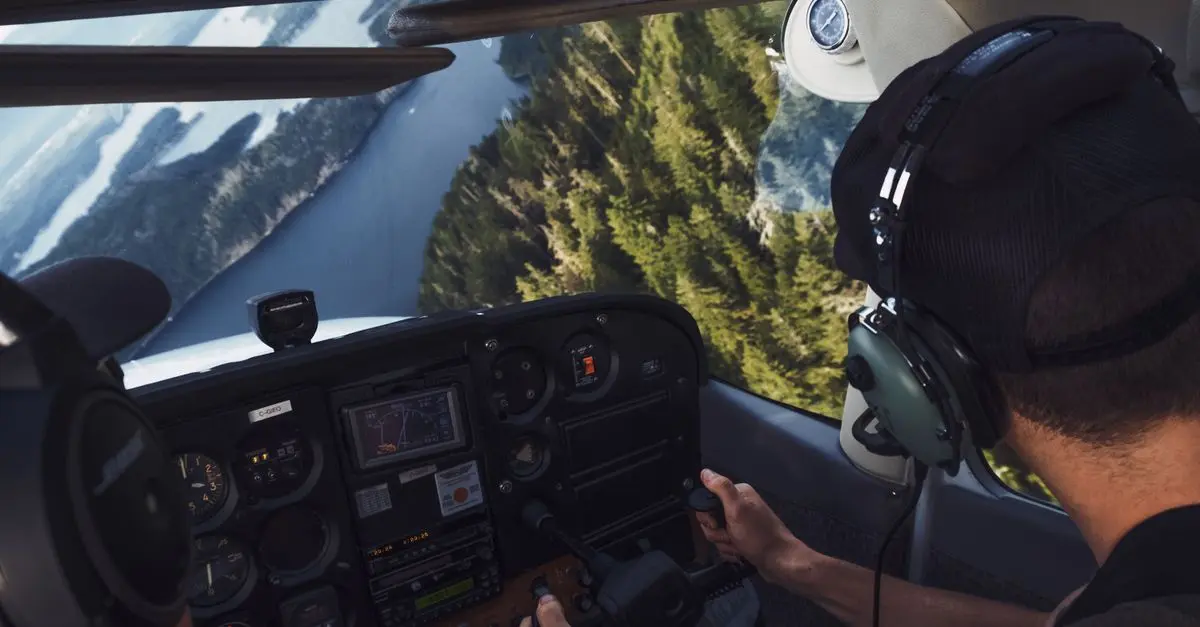
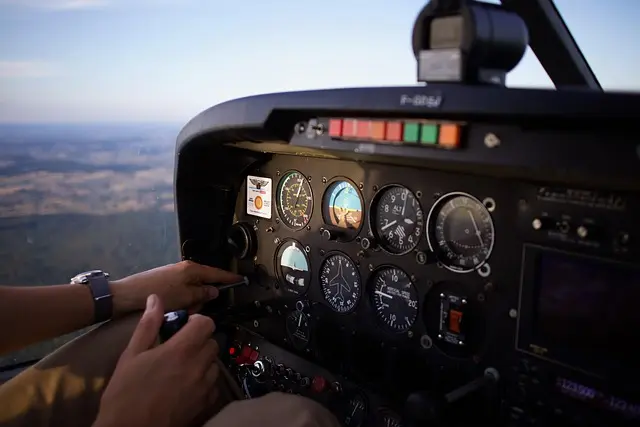
Autopilot systems utilize a combination of sensors, gyroscopes, and global positioning satellites to maintain the course, altitude, and speed. The system interfaces with aircraft controls to adjust ailerons, elevators, and rudders. For example, the Fly-by-Wire system found in many aircraft provides electronic signals to the controls, reducing mechanical errors. Autopilots follow a pre-set flight plan but can accommodate changes in weather or unexpected obstacles. This integration of automation and pilot oversight is crucial in maintaining a balance between machine efficiency and human intuition.
Benefits of Autopilot Systems in Aviation
The use of autopilot systems offers numerous benefits. Primarily, these systems boost flight safety by handling repetitive tasks, reducing pilot fatigue, and minimizing human error—accounted for nearly 70% of aviation accidents according to the FAA. Additionally, autopilots contribute to fuel efficiency by optimizing routes and maintaining steady altitude and speed, which is economically beneficial for airlines. A report by the International Air Transport Association (IATA) showed that automated systems have improved fuel efficiency by up to 15%, leading to significant cost savings for airlines.
Challenges and Considerations
Despite the benefits, autopilot systems face challenges. One major concern is the over-reliance on automation, which may result in skill degradation among pilots. Boeing suggests continual training with manual controls to mitigate this risk. Another consideration is cybersecurity threats as aircraft systems connect to the Internet of Things (IoT), increasing vulnerability to hacking. According to aviation cybersecurity firms, enhanced encryption methods and regular system updates are crucial defense strategies.
Comparing Autopilot Technologies
| Feature | Basic Autopilot | Advanced Autopilot | No Autopilot | Verdict |
|---|---|---|---|---|
| Control Scope | Limited (altitude) | Full (multi-axis) | Manual | Advanced Preferred |
| Fuel Efficiency | Moderate | High | Varies | Advanced Optimal |
| Pilot Workload | Reduced | Minimal | Full | Depends on Task |
| Cost | Low | High | None | Context-Dependent |
📺 Resource Video
📺 For further insights: [How Autopilot Works in Modern Aircraft], an in-depth look at aviation technology. Search on YouTube: "how autopilot works in modern aircraft"
Glossary
| Term | Definition |
|---|---|
| Fly-by-Wire | A system that replaces conventional manual flight controls with electronic interfaces. |
| IoT | Internet of Things, connecting devices via the internet for data exchange. |
| GPS | Global Positioning System, a satellite-based navigation system. |
💡 Avis d'expert: Dr. Sarah Eaton, an aviation technology specialist, emphasizes the importance of integrating human oversight with machine automation, stating, "While autopilots enhance operational efficiency, ultimately, it's the synergy between human intuition and technological precision that ensures aviation safety."
🧠 Quiz rapide: What percentage of aviation accidents are attributed to human error?
- A) 30%
- B) 50%
- C) 70%
Réponse : C — Human error accounts for nearly 70% of aviation accidents