Table of Contents (14 sections)
Becoming a pilot is a dream for many aviation enthusiasts, and the journey can be both rewarding and challenging. In 2026, pursuing a pilot's license involves a multifaceted approach that requires dedicated preparation, practical training, and a keen understanding of aviation regulations. This tutorial will guide you through the essential steps to become a pilot, ensuring you are well-equipped to launch your aviation career.
1. Understand the Requirements
Before you embark on your journey to become a pilot, it's crucial to understand the basic requirements set by aviation authorities. In the United States, the Federal Aviation Administration (FAA) establishes the guidelines for becoming a pilot. Here are the fundamental criteria:
- Age: You must be at least 17 years old to obtain a Private Pilot License (PPL).
- Medical Certification: A valid medical certificate issued by an FAA-authorized aviation medical examiner is required. This ensures that you meet the medical standards necessary for flying.
- Language Proficiency: Proficiency in English is essential, as it is the international language of aviation.
- Training Hours: A minimum of 40 flight hours is required for a PPL, although most students require more. Understanding the commitment and the number of flight hours will help set your expectations correctly.
Tips:
- Research different types of pilot licenses (PPL, Commercial, ATP) to find the one that aligns with your goals.
- Consider the financial implications of training, which can range from $7,000 to over $15,000 depending on the path you choose.
2. Choose a Flight School
Selecting the right flight school is one of the most critical steps in your journey. Consider these factors:
- Accreditation and Reputation: Ensure the school is accredited and has a good reputation. Reading reviews and seeking alumni feedback can help.
- Location and Facilities: Proximity to an airport and modern facilities can significantly enhance your training experience.
- Instruction Quality: Look for schools with experienced instructors who are not only knowledgeable but also passionate about teaching.
- Aircraft Fleet: Familiarity with different types of aircraft is beneficial. Choose a school with a diverse fleet to experience various flying conditions.
| Factor | Option A | Option B | Option C | Verdict |
|---|---|---|---|---|
| Accreditation | FAA Approved | Not Accredited | FAA Approved | Choose FAA Approved schools |
| Location | Urban Airport | Rural Airport | Suburban Airport | Urban locations offer better access |
| Instructor Experience | 10+ Years | 5-10 Years | 1-5 Years | More experience typically yields better training |
| Fleet Diversity | High | Medium | Low | A diverse fleet offers broader training opportunities |
By completing ground school, you prepare yourself not just for the exam but also for real-world flying. Effective self-study techniques combined with experienced instructors facilitate a confident transition into the cockpit.
Pro Tip:
- Utilize online resources and simulators to supplement your learning. Interactive tools can make complex concepts easier to grasp.


4. Start Flight Training
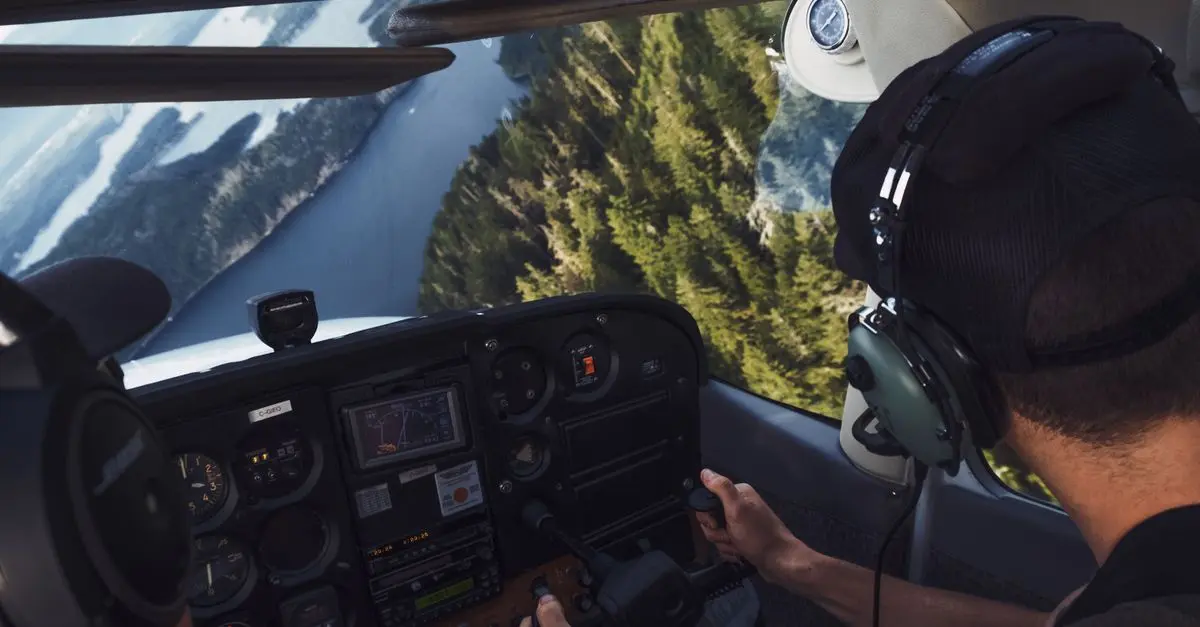
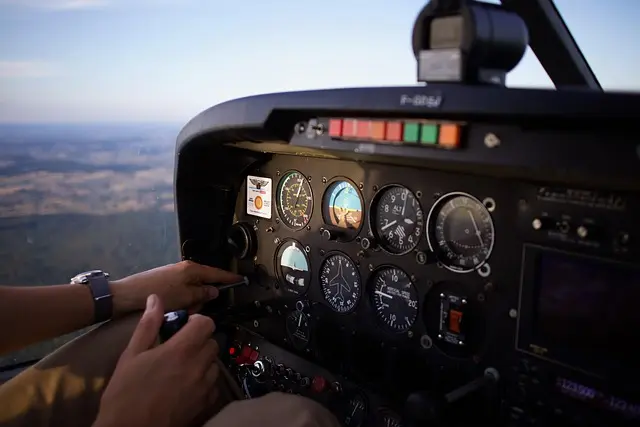
Flight training is where theoretical knowledge translates into practical skills. You will gain hands-on experience through flying lessons with a certified instructor. Key components include:
- Hands-On Practice: Log flight hours under instruction to learn aircraft control, navigation, and emergency procedures.
- Solo Flights: After sufficient training, you will progress to solo flights, which are crucial for building confidence and experience.
- Exam Preparation: As you near completion of training, prepare for the FAA Written Exam and Practical Test, which are required to achieve your license.
- Continuous Learning: Flight training is just the beginning. Committing to ongoing education will enhance your skills and keep you current with aviation standards.
Common Pitfalls:
- Failing to log all your flight hours accurately can lead to issues when applying for your license.
- Neglecting to ask questions during training can leave gaps in your understanding, which will be crucial later on.
5. Obtain Your License
Once you’ve completed flight training and passed your exams, it’s time to obtain your pilot license. Here’s how:
- Written Exam: This is a multiple-choice exam that tests your knowledge of aviation subjects taught in ground school.
- Practical Test: Conducted by an FAA-designated pilot examiner, this test will involve demonstrating your flying skills in a real-world setting.
- Logbook Verification: Ensure your instructor verifies your logbook to document all required hours and skills.
Upon successful completion of these tests, you will receive your pilot’s license, allowing you to officially take to the skies! Remember to celebrate this achievement, as it marks the beginning of your aviation career.
Checklist Before You Start
- [ ] Research pilot license types and requirements
- [ ] Choose a reputable flight school
- [ ] Complete a medical examination
- [ ] Enroll in ground school
- [ ] Start flight training
📺 Resource Video
> 📺 For further insight: Explore the process of becoming a pilot, with our comprehensive video analysis. Search on YouTube: steps to become a pilot 2026.
- Q: How long does it take to become a pilot?
A: The time required can vary significantly based on individual commitment and type of license pursued, but averaging 6 months to 1 year for a Private Pilot License is common.
- Q: Is it expensive to become a pilot?
A: Yes, flight training can be costly, ranging from $7,000 to over $15,000, but many consider it a worthwhile investment for their passion.
- Q: Can I become a pilot without a college degree?
A: Yes, a college degree is not mandatory to become a pilot, though it can open up more job opportunities.
- Q: How often do I need to renew my pilot license?
A: Pilots are required to complete a flight review every two years to maintain their privileges.
Freud 1/2 in. D X 1/2 in. X 3-3/4 in. L Carbide Panel Pilot Router Bit
acehardware.com


IWC Big Pilot's Watch Top Gun Black Dial Watch, 43.8mm,Ceramic IW329801 IWC
benbridge.com
Glossary
| Term | Definition |
|---|
| Private Pilot License (PPL) | A type of pilot license that allows individuals to fly aircraft for non-commercial purposes.
| Flight Hours | The total hours a pilot has spent in control of an aircraft during flight.
| Ground School | A course that covers the theoretical aspects of aviation safety, navigation, and regulations.
Conclusion
Becoming a pilot is not just about flying; it’s about fulfilling a passion and dedication to safety, skill, and continuous learning. Although the journey involves several steps and financial investment, the rewards of flying high above the clouds are unparalleled.
We’ve selected several products suitable for aspiring pilots to complement your training. Discover our recommendations below for essential resources that can aid your aviation journey.
📺 Pour aller plus loin : steps to become a pilot 2026 sur YouTube
Recommended products
Selected by our experts

Pre-Owned IWC Pilot�s Watch Chronograph Black Dial Watch, 43mm,Stainless Steel RIW377710#5675352 IWC
benbridge.com