Table of Contents (16 sections)
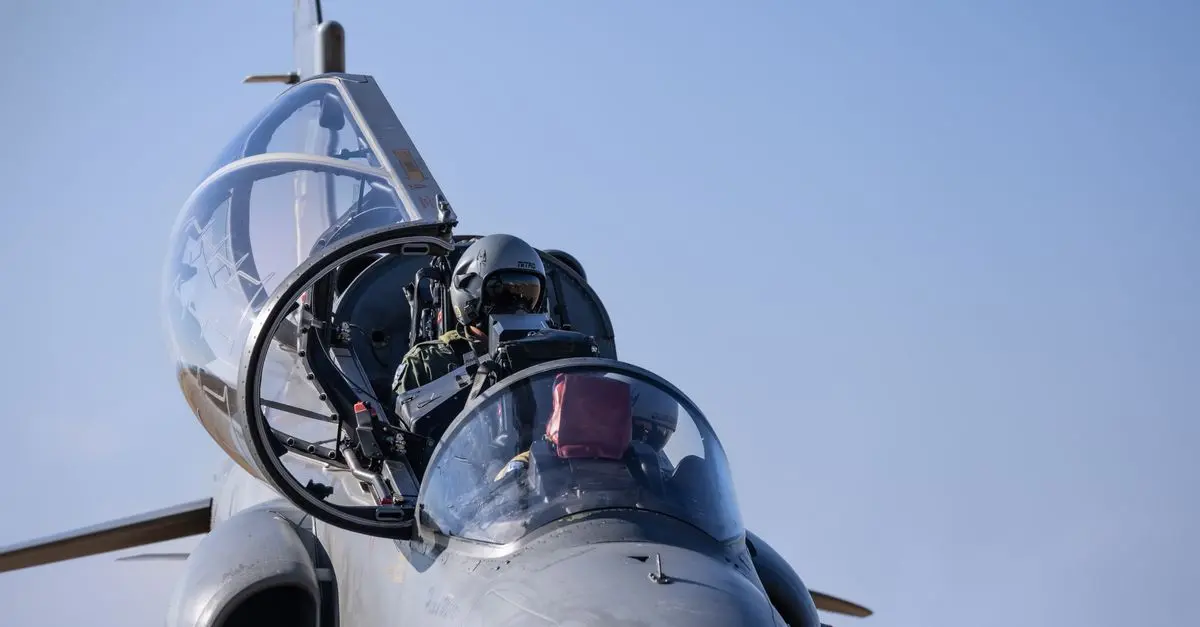
Obtaining a pilot license can be one of the most exhilarating experiences of your life. But what exactly are the pilot license requirements? In this comprehensive guide, we will walk you through every step of the process, ensuring that you have all the necessary information to get started on your aviation journey.
🎯 Understanding Pilot Licenses: An Overview
A pilot license is a document issued by an aviation authority that allows an individual to act as pilot-in-command of an aircraft. There are several types of pilot licenses, including Private Pilot License (PPL), Commercial Pilot License (CPL), and Airline Transport Pilot License (ATPL). Each license has specific requirements that must be met, including age, medical standards, and flight training.
The Importance of Pilot Licenses
The significance of holding a valid pilot license cannot be overstated. Not only does it ensure that you are competent in maneuvering an aircraft safely, but it also grants you access to various opportunities in aviation, ranging from personal travel to professional careers in commercial aviation. Moreover, the aviation industry is continuously growing, with a projected increase in the demand for pilots in the upcoming years. According to the Bureau of Labor Statistics, the demand for airline and commercial pilots is expected to grow by 5% from 2019 to 2029.
✈️ Step 1: Meet the Basic Requirements
Before diving into training, it's essential to understand the basic prerequisites involved in obtaining a pilot license. The following are the general requirements:
- Age: You must be at least 17 years old to obtain a PPL, 18 for a CPL, and 23 for an ATPL.
- Language Proficiency: You need to be fluent in English, as it is the international language of aviation.
- Medical Certification: A comprehensive medical examination is required, with different standards for different license types. For instance, a Class 1 medical is needed for an ATPL, while a Class 3 is sufficient for PPL.
Meeting these basic requirements lays the foundation for your journey, ensuring you are legally and physically prepared for the subsequent steps.
🛡️ Step 2: Enroll in Ground School
Ground school plays a critical role in your pilot training. During this phase, you'll learn about aviation weather, navigation, regulations, and aircraft systems. Ground school can be completed in several formats:
- In-Person Classes: Traditional classroom settings led by certified instructors.
- Online Courses: Many pilots opt for online learning, allowing for flexible scheduling.
- Hybrid Models: A combination of both in-person and online training.
Best Practices for Ground School
To get the most out of your ground school experience, consider the following tips:
- Engage Actively: Participate in discussions and ask questions.
- Study Continuously: Make sure to review material regularly, especially topics that are challenging.
- Utilize Resources: Use textbooks, simulators, and apps designed for pilot training.
This phase will also prepare you for the written exam that candidates must pass to move onto flight training.
🛩️ Step 3: Flight Training
After completing ground school, the next logical step is flight training. Typically, you will need a minimum of 40 flight hours for a PPL, though many students log significantly more before they are ready to test. Flight training includes:
- Dual Instruction: Learning from a certified flight instructor (CFI).
- Solo Flights: After demonstrating proficiency, you will need to complete solo hours to gain experience.
- Cross-Country Flights: Many licenses require you to complete at least a few hours of flying to a destination away from your departure point.
Tips for Successful Flight Training
- Consistent Practice: Aim to schedule flights often to build muscle memory.
- Reflect on Lessons: After each flight, review what went well and what needs improvement.
- Seek Feedback: Leverage your instructor's experience to refine your skills.
Flight training is the most hands-on and exciting part of obtaining your license!
📋 Step 4: Prepare for the Checkride
Once you've completed your flight training, you’ll need to prepare for your checkride (practical test). This comprehensive examination is administered by a designated pilot examiner and will involve:
- Oral Examination: You'll need to demonstrate your knowledge on aviation subjects.
- Flight Evaluation: The examiner will assess your flying skills, including emergency procedures and navigation.
Pro Tips for Checkride Preparation
- Mock Checkride: Conduct practice checkrides with your instructor to simulate the experience.
- Study Checkride Procedures: Understand what to expect during the testing process.
- Stay Calm: Remember that you’ve trained for this, and confidence will go a long way.
Passing the checkride is the final step in obtaining your license, allowing you to legally pilot an aircraft solo.
🗓️ Step 5: Post-License Considerations
Congratulations! After passing your checkride, you'll hold a pilot license. Some next steps to consider:
- Continuing Education: Many pilots pursue additional ratings, such as instrument or multiengine ratings, allowing for more versatility in flying.
- Stay Current: Familiarize yourself with flight reviews and medical certification renewal requirements to keep your privilege active.
- Join Pilot Communities: Engaging with other pilots can provide success stories and insights from those on the same journey.
Checklist Before You Start Your Pilot Training
- [ ] Ensure you meet the age requirement.
- [ ] Obtain a medical certificate.
- [ ] Research local flight schools.
- [ ] Enroll in ground school.
- [ ] Schedule your first flight lesson.
💼 Recommended Products
- - - ---
Glossary
| Term | Definition |
|---|---|
| PPL | Private Pilot License, allows you to fly for personal reasons. |
| CPL | Commercial Pilot License, permits you to fly for compensation. |
| ATPL | Airline Transport Pilot License, required for a captain position. |
---
🧠 Quiz rapide
> Question engageante sur le sujet ? What is the minimum flight hour requirement for a Private Pilot License?
> - A) 20 hours
> - B) 40 hours
> - C) 60 hours
> Réponse : B — The FAA mandates a minimum of 40 flight hours for a PPL.
📺 Pour aller plus loin:
Watch "How to Obtain Your Pilot License: A Comprehensive Guide" on YouTube for a detailed breakdown of the process. Search for: "pilot training requirements 2026" or similar queries to deepen your understanding.
In conclusion, obtaining a pilot license requires dedication, knowledge, and skill. Following the steps outlined in this guide will not only prepare you for the challenges ahead but will also pave the way for a fulfilling and exciting career in aviation. Start your journey today and embrace the skies!
📺 Pour aller plus loin : If I Was Becoming a Pilot in 2026, Here’s What I’d Do sur YouTube