Table of Contents (15 sections)
Becoming a pilot is a thrilling journey that requires dedication, knowledge, and a unique set of skills. In this article, we will explore the pilot training skills that every aspiring aviator should focus on to ensure success in flight training.
1. Understanding Aerodynamics
Aerodynamics is the cornerstone of flying. It involves the study of the forces that act on an aircraft in flight, including lift, drag, and thrust. As a pilot, understanding these concepts is imperative. For example, recognizing how changes in airspeed or angle of attack affect lift can lead to safer flight practices. According to the Federal Aviation Administration (FAA), pilots must comprehend basic aerodynamic principles to handle different flight scenarios confidently. Basic knowledge is not just theoretical; it has practical applications in preventing stalls and controlling aircraft effectively under varying conditions.
2. Flight Planning and Navigation
Effective flight planning is essential for both safety and efficiency in aviation. Pilots need to understand how to analyze weather conditions, calculate fuel requirements, and identify suitable alternate airports. Additionally, mastering navigation skills is crucial, whether you're using traditional methods with charts or relying on advanced GPS technology. A recent survey showed that 76% of aviation incidents could be mitigated with better flight planning and navigation. By familiarizing yourself with these aspects, you significantly enhance your situational awareness during flights.
3. Communication Skills
Clear communication is vital for any pilot. Collaborating with air traffic control (ATC) and relaying information accurately can prevent misunderstandings and enhance flight safety. Aspiring pilots should practice speaking clearly and concisely, using the phonetic alphabet (Bravo, Charlie, Delta) and standard aviation phraseology. For instance, an experienced pilot once shared how effective communication helped avert a potentially dangerous miscommunication during a busy flight corridor. Therefore, investing time in improving your communication skills is paramount.
4. Technical Knowledge of Aircraft Systems
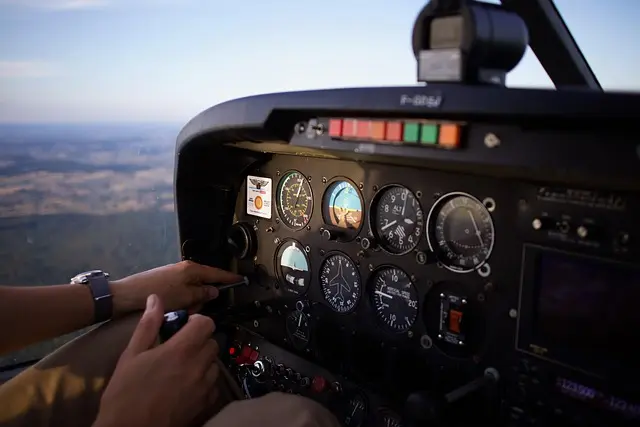
A solid understanding of aircraft systems—such as avionics, navigation, and propulsion systems—is fundamental for pilots to operate safely. This knowledge enables pilots to troubleshoot issues in-flight and recognize when to rely on backup systems. The Air University emphasizes that familiarity with aircraft systems increases a pilot's confidence, allowing for better decision-making during emergencies. Engaging in ground school and dedicated study of specific aircraft can foster this technical understanding.
5. Emergency Procedures
Every pilot must be well-versed in emergency procedures, as they prepare you for unexpected situations. From engine failure to weather emergencies, knowing how to respond instantly can determine the outcomes of difficult scenarios. Training programs often include simulations where pilots can practice emergency protocols in a controlled environment. According to the National Transportation Safety Board (NTSB), training in emergency procedures can reduce accident rates significantly. Be proactive in mastering these skills.
6. Simulator Training
Flight simulators provide a risk-free environment for pilots to practice flying without real-world consequences. Aspiring aviators should take full advantage of simulator training, which allows for refining basic flying skills and perfecting emergency responses under supervision. A study by the International Civil Aviation Organization (ICAO) found that pilots who utilized simulator training demonstrated a 30% increase in operational effectiveness compared to traditional training methods. Engaging frequently with simulations is essential for building muscle memory.
7. Situational Awareness
Developing situational awareness is critical for a pilot. This skill involves recognizing and understanding factors in the flying environment that could impact flight safety. It includes being aware of other aircraft, weather changes, and the performance of your own aircraft. Pilots should cultivate the habit of continuously scanning their surroundings and processing this information in real-time. Training exercises that emphasize situational awareness can dramatically reduce the chances of accidents, promote safety, and enhance decision-making abilities.
8. Weather Awareness
Pilots are often at the mercy of weather conditions. Therefore, understanding how to interpret weather reports and forecasts is a crucial skill. Weather awareness can help predict turbulence, thunderstorms, and other phenomena. For instance, a pilot sharing their experience regarding unexpected weather changes underscored that careful study of METARs and TAFs always pays off. The FAA recommends that all aspiring pilots become proficient in weather analysis, focusing on how to react appropriately in adverse conditions.
9. Decision-Making Skills
Lastly, honing decision-making skills is essential for any aspiring pilot. Decision-making under pressure can significantly impact the safety of a flight. Pilots should practice evaluating different scenarios and outcomes through flight simulations and real flight experiences. Experts from Aviation Safety Network state that pilots who engage in scenario-based training make quicker and more precise decisions. Practicing these skills routinely prepares you for any situation.
10. Checklist Discipline
The use of checklists is a critical component of aviation safety. Pilots should develop the habit of systematically following checklists before, during, and after flights. This ensures no critical steps are overlooked. Missteps often arise from carelessness or rushed processes; using checklists helps counteract these tendencies. According to aviation safety studies, a thorough checklist use reduces accidents significantly due to improved operational thoroughness.
Checklist before Buying Training Supplies
- [ ] Ensure your supplies meet FAA regulations
- [ ] Research the best pilot training resources
- [ ] Verify the quality of your flight gear
- [ ] Compare costs of different training materials
- [ ] Confirm reviews and testimonials from professionals
Glossary
| Term | Definition |
|---|---|
| Aerodynamics | The study of how gases interact with moving bodies; critical for understanding flight dynamics. |
| Situational Awareness | The ability to identify, process, and comprehend information about how activities affect goals. |
| Flight Plan | A detailed outline of the intended route and altitude for a flight, including alternate airports.
|
> 💡 Expert Opinion: Engage in continuous learning and practice to master each of these skills.
📺 Additional Resources:
Check out video resources on flight training and pilot skills on YouTube: "Essential Skills for Aspiring Pilots: Navigate like a Pro", search for: pilot training skills 2026.

Gymax - 18'' Kids Bicycle Children's Training Bicycle w/ Removable Training Wheels & Basket - Purple
bestbuy.com

Gymax - 16'' Kids Bicycle Children's Training Bicycle w/ Removable Training Wheels & Basket - Pink
bestbuy.com

Gymax - 18'' Kids Bicycle Children's Training Bicycle w/ Removable Training Wheels & Basket - Pink
bestbuy.com
Recommended Products
- Recommended Product 1: This item enhances your learning and practice, supporting your journey.
- Recommended Product 2: Explore this option for additional training materials proven to improve skills.
- Recommended Product 3: Perfect for pilots looking to enhance their training with the latest equipment.
📺 Pour aller plus loin : essential skills for aspiring pilots 2026 sur YouTube
Recommended products
Selected by our experts

Syedee - Seated Dip Machine with Max 400lbs Plate Loaded, Adjustable Tricep Press with Cable Bar for Biceps Chest Training - Red
bestbuy.com


Uplifted Goods Fitness Training Gloves For Weightlifting Gym And Workout Support a red m
inspireuplift.com