Table of Contents (12 sections)
Introduction
Effective communication is a cornerstone of safe and successful flying. Whether you are at the start of your aviation career or looking to hone your skills, mastering pilot communication is crucial. This tutorial will guide you through essential techniques, offering real-world insights and actionable tips.
Step 1: Understand the Importance of Communication
Before diving into techniques, it’s important to understand why communication is so crucial in aviation. Miscommunication can result in misunderstandings that may compromise safety. Across global airspaces, the language of aviation English ensures pilots and air traffic controllers can coordinate seamlessly.
💡 Expert Insight: According to the Federal Aviation Administration (FAA), communication errors contribute to roughly 80% of air traffic incidents. Understanding the gravity of these errors underscores the importance of mastering communication.
Step 2: Master Standard Phraseology
Phrases like “Roger,” “Wilco,” and “Affirmative” are not just jargon; they serve precise purposes to ensure clarity. Memorizing and practicing these standard phrases is fundamental. Engage in regular simulations with peers or mentors to perfect this vocabulary.
Step 3: Build Proficiency in Radio Telephony
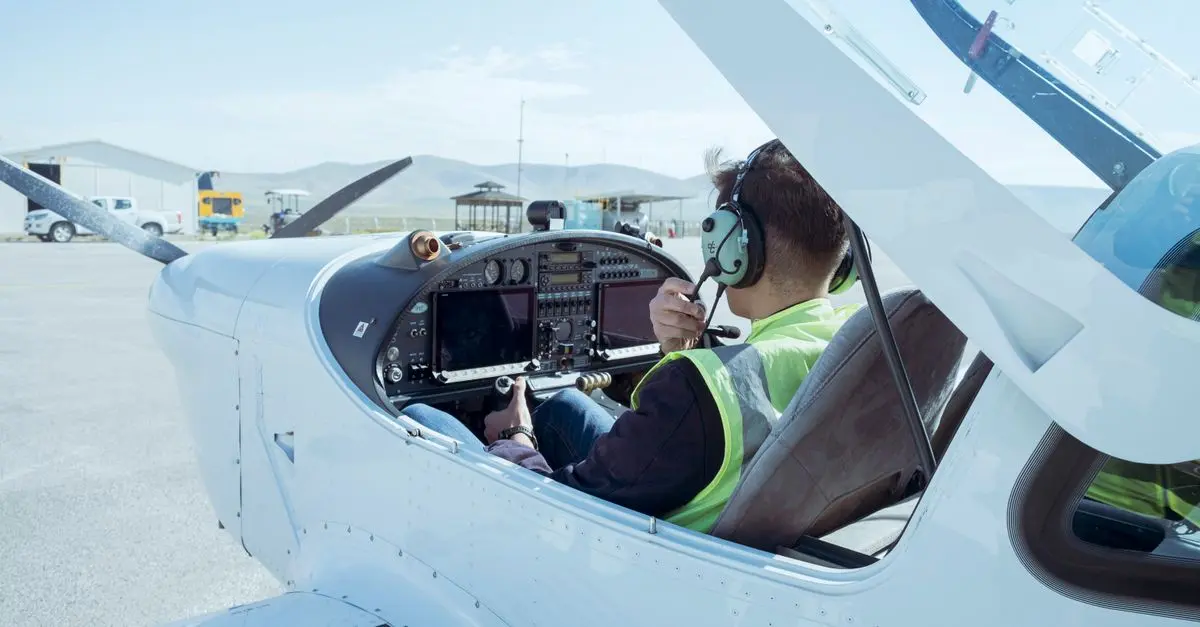
Handling a radio involves more than speaking into a microphone. Understanding frequencies, monitoring traffic channels, and practicing calm articulation is key. Equip yourself through certified courses, and utilize novice pilot forums for shared learning experiences.
📺 Ressource Vidéo
> 📺 For further insights: Effective Radio Communication Techniques for Pilots, a comprehensive review of best practices. Search YouTube: "radio communication for pilots tutorial"
Step 4: Practice Active Listening
Active listening involves hearing the message and confirming its reception and understanding. This can be practiced through role-playing scenarios and simulation exercises.
Step 5: Avoiding Common Communication Pitfalls
Errors like stepping on transmissions, misusing phraseology, or speaking too fast are common pitfalls. Conduct regular reviews of communication exchanges to identify and rectify these errors.
Comparative Table: Phrase Usage
| Scenario | Phrase 1 | Phrase 2 | Tip | Verdict |
|---|---|---|---|---|
| Departure Call | "Ready" | "Holding" | Confirm status | Use "Ready" for readiness |
| Runway Crossing | "Cross" | "Cleared" | Prior clearance | Use "Cleared" with permission |
| Altitude Change | "Climb" | "Ascend" | Avoid ambiguity | Use "Climb" for precision |
What are some essential phrases pilots must know?
Pilots must be familiar with basic communication phrases such as "Roger", "Wilco", "Affirmative", and "Negative" to understand and relay clear messages.
How does poor communication affect flight safety?
Poor communication can lead to misinterpretations and potentially hazardous situations, highlighting the need for clarity and precision.
Are there specific training programs for pilot communication?
Yes, many aviation schools and online courses offer specialized training focused on aviation communication skills.
How often should pilots engage in communication practice?
Regular practice is advised, with daily briefings and simulated scenarios to maintain proficiency.
Checklist
- [ ] Memorize standard aviation phraseology
- [ ] Engage in regular simulation exercises
- [ ] Practice active listening skills
- [ ] Maintain calm and clarity under all conditions
- [ ] Regularly review and refine communication tactics
Glossary
| Term | Definition |
|---|---|
| Phraseology | Standardized language used in aviation comms. |
| Radio Telephony | The practice of using radio tools to communicate. |
| Active Listening | Listening intently and verifying comprehension. |
---
🧠 Quick Quiz: What is the primary purpose of using standard phraseology in aviation?
- A) Impress passengers
- B) Ensure precise communication
- C) Reduce radio usage
Answer: B — Ensuring precision in communication is crucial for safety.
In conclusion, mastering pilot communication is a continuous journey. By integrating these practices, you can enhance your skills and significantly contribute to aviation safety.