Table of Contents (13 sections)
Preparing for your first flight training lesson can be an exhilarating yet daunting experience. Whether you’re pursuing a personal passion or dream of becoming a professional pilot, ensuring you're well-prepared is crucial for a smooth start. In this guide, we’ll walk you through each step of the preparation process, helping you feel confident and ready to take to the skies.
1. Understand the Fundamentals of Flight Training
Before diving into your first lesson, it’s beneficial to grasp the basics of flight training. Flight training typically involves ground school, where you learn about aerodynamics, navigation, weather patterns, aircraft systems, and regulations. This theoretical knowledge lays the foundation for your practical flying experience. You’ll also become familiar with various types of flight maneuvers required for different levels of piloting, from takeoffs and landings to advanced aerobatics for professionals. Understanding these concepts will enhance your learning curve during actual flight training.
2. Choose the Right Flight School
Selecting a flight school that aligns with your goals is critical. Research different institutions, checking their certifications, aircraft fleet, instructor qualifications, and reviews from past students. Factors to consider include the school's proximity, safety record, and the specific type of training offered—be it private pilot, instrument rating, or commercial pilot courses. According to data from the Federal Aviation Administration (FAA), choosing an accredited school can significantly impact your training experience, ensuring it meets safety and education standards. Speak to instructors or current students to gauge the school's atmosphere and mentorship style. Look at an initial visit to the school to actively assess the environment.

Gymax - 18'' Kids Bicycle Children's Training Bicycle w/ Removable Training Wheels & Basket - Purple
bestbuy.com

Gymax - 16'' Kids Bicycle Children's Training Bicycle w/ Removable Training Wheels & Basket - Pink
bestbuy.com

Gymax - 16'' Kids Bicycle Children's Training Bicycle w/ Removable Training Wheels & Basket - Purple
bestbuy.com
3. Prepare Physically and Mentally
It’s essential to be in good physical and mental shape before your first flight training lesson. Ensure you meet the medical requirements set by aviation authorities, which generally include a basic medical examination to confirm your fitness to fly. Aerobatic and long flights can be physically demanding, so maintaining an active lifestyle will enhance endurance and focus. It is equally important to prepare mentally. Many first-time students experience anxiety about flying, which is entirely normal. Practice relaxation techniques such as deep breathing or visualization to combat pre-lesson jitters. Engaging with fellow aspiring pilots can also help reduce anxiety by sharing experiences and support.
4. Familiarize Yourself with Flight Equipment
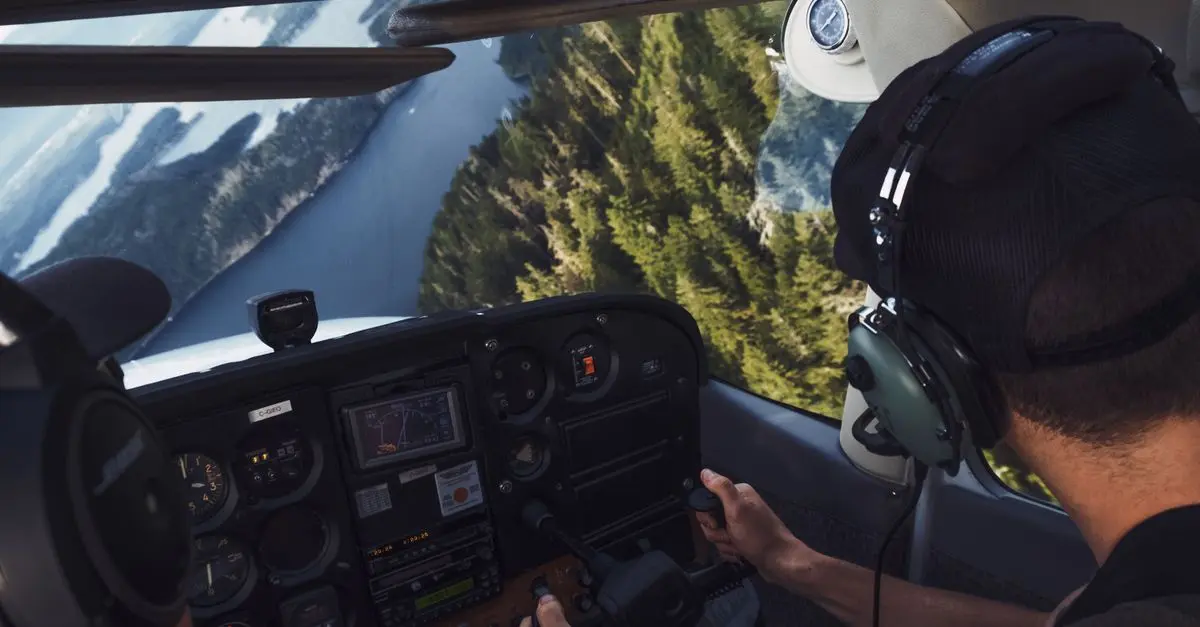
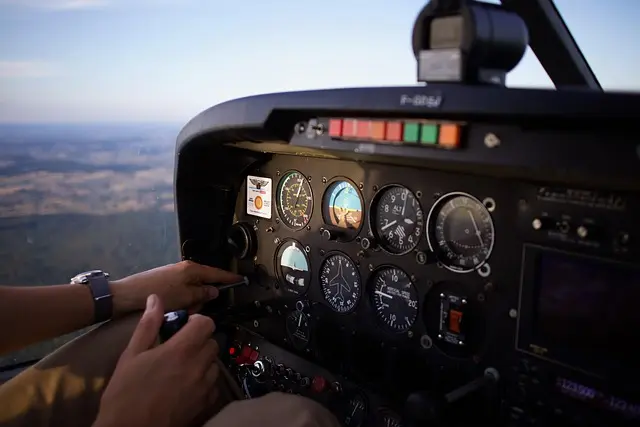
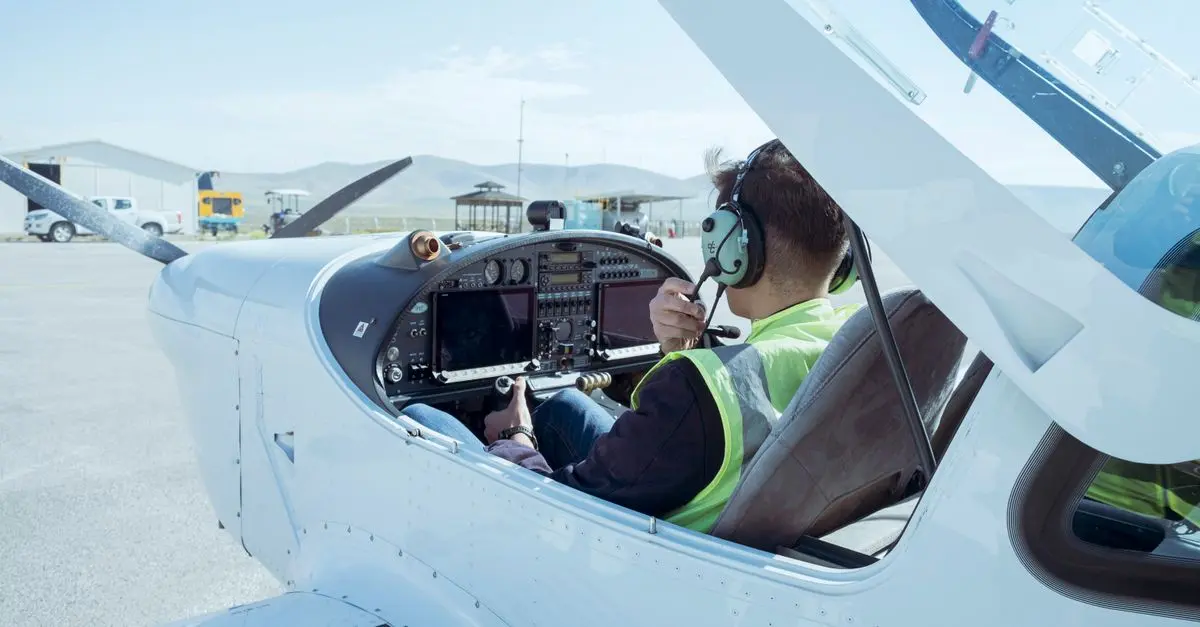
Knowing the equipment you’ll be using helps ease first-day nerves. Typically, you’ll be flying in a single-engine prop plane for your initial lessons. Familiarize yourself with cockpit instruments such as the altimeter, airspeed indicator, and navigational aids. An excellent way to do this is by taking a tour of the aircraft with your instructor. Many flight schools offer pre-lesson orientations or introductory sessions where you can learn basic cockpit procedures and setup, enhancing your comfort level before your lesson. Many students find it beneficial to view instructional videos or manuals on flying to visualize their upcoming experience.
5. Dress Appropriately for Your Lesson
Your attire can impact comfort during your flight training. Dress in layers as temperatures vary between ground level and high altitudes. Opt for closed-toed, non-slip shoes to avoid any potential hazards while moving around the aircraft or during flight maneuvers. Avoid anything too baggy that could get caught in equipment, and make sure your clothing does not restrict your movement. It's helpful to check the weather conditions for your lesson day prior, as this can inform your clothing choices, especially regarding accessories like sunglasses to shield your eyes from sun glare.
6. Create a Checklists for Preparedness
A checklist makes preparation easy and ensures you don’t forget essential items. Here’s a sample checklist you might use before heading to your first lesson:
- [ ] Have your pilot logbook and student pilot certificate ready.
- [ ] Pack necessary materials (e.g., pen, notebook, and any study resources).
- [ ] Ensure your instructor has confirmed the lesson and weather conditions are suitable.
- [ ] Have a water bottle and snacks prepared for longer flight sessions.
- [ ] Arrive 15-20 minutes early to familiarize yourself with the environment.

Gymax - 18'' Kids Bicycle Children's Training Bicycle w/ Removable Training Wheels & Basket - Pink
bestbuy.com

Gymax - 14'' Kids Bicycle Children's Training Bicycle w/ Removable Training Wheels & Basket - Pink
bestbuy.com

Gymax - 14'' Kids Bicycle Children's Training Bicycle w/ Removable Training Wheels & Basket - Purple
bestbuy.com
7. Review Lesson Objectives Beforehand
Prior to your lesson, ask your instructor for specific objectives or skills to focus on. Knowing what to expect can help you mentally prepare and have a more productive session. For beginners, initial lessons often focus on familiarization with the aircraft, basic control maneuvers, and understanding climb versus descent dynamics. Reviewing any provided learning materials or attending a pre-lesson meeting can also enhance your readiness. Understanding these terms will give you a head start on your practical training.
8. Embrace the Experience
Finally, remember to enjoy the experience! Your first flight training lesson is a significant milestone in your journey to becoming a pilot. Embrace the excitement and challenges, learn from mistakes, and remain open to feedback from your instructor. Approach the learning process positively, as it transforms you into a skilled aviator over time. The aviation community values resilience and adaptability—two crucial traits for any pilot.
📺 Resource Video
> 📺 For further insight: Watch a comprehensive guide on preparing for your first flight training lesson. Search on YouTube: first flight training lesson preparation 2026.
Glossary
| Terme | Définition |
|---|---|
| Cockpit | Lieu où le pilote contrôle l'avion, équipé d'instruments et de commandes. |
| Flight Maneuvers | Techniques spécifiques utilisées pour contrôler l'avion pendant le vol. |
| Student Pilot Certificate | Document attestant qu'une personne est autorisée à recevoir des leçons de pilotage. |
Checklist avant le premier vol
- [ ] Vérifier le critère A
- [ ] Choisir l'école de vol appropriée
- [ ] Contrôler le signe de l'expert
- [ ] Pratiquer l'examen médical
- [ ] Assurer une tenue vestimentaire appropriée
- [ ] Préparer un journal de vol
📺 Pour aller plus loin : first flight training lesson preparation 2026 sur YouTube
Recommended products
Selected by our experts

Syedee - Seated Dip Machine with Max 400lbs Plate Loaded, Adjustable Tricep Press with Cable Bar for Biceps Chest Training - Red
bestbuy.com


Uplifted Goods Fitness Training Gloves For Weightlifting Gym And Workout Support a red m
inspireuplift.com