Table of Contents (9 sections)
Embarking on the journey to become a pilot is both exhilarating and challenging. Flight training serves as the crucial foundation for any aspiring aviator, equipping you with the necessary skills and knowledge to fly safely and competently. This guide will provide you with a comprehensive roadmap to mastering flight training, ensuring you understand each step and its significance.
Table of Contents
- Understanding Flight Training
- Step-by-Step Guide to Flight Training
- Comparative Analysis: Flight Schools and Training Programs
- Data Insights: Flight Training Trends
- FAQ
- Glossary
Understanding Flight Training
Before diving into the actual training, it's crucial to understand what flight training involves. Flight training encompasses various programs designed to teach individuals how to operate an aircraft. It covers a wide range of subjects including aerodynamics, navigation, meteorology, and aircraft systems.
There are different types of flight training, each suited for varying levels of expertise and goals. For instance, basic flight training is usually focused on gaining a Private Pilot License (PPL), while advanced training can aim for an Airline Transport Pilot License (ATPL). According to the Federal Aviation Administration (FAA), completing flight training not only prepares you for your licensing examinations but also instills a culture of safety and responsibility in aviation. Many aspiring pilots often underestimate the commitment required, with training sometimes lasting 6 months to over 2 years depending on the certification sought.
Step-by-Step Guide to Flight Training
- Choose a Flight School
Deciding on the right flight school is an essential first step. Look for schools with high safety records and positive student feedback. Factors like location, cost, and type of aircraft used can also influence your choice.
- Complete Ground School
Ground school is a theoretical component that covers all the knowledge you need before you begin flying. This includes regulations, navigation, meteorology, and emergency procedures. Passive learning isn't enough; engage actively through discussions and practice quizzes to reinforce your knowledge.
- Begin Flight Lessons
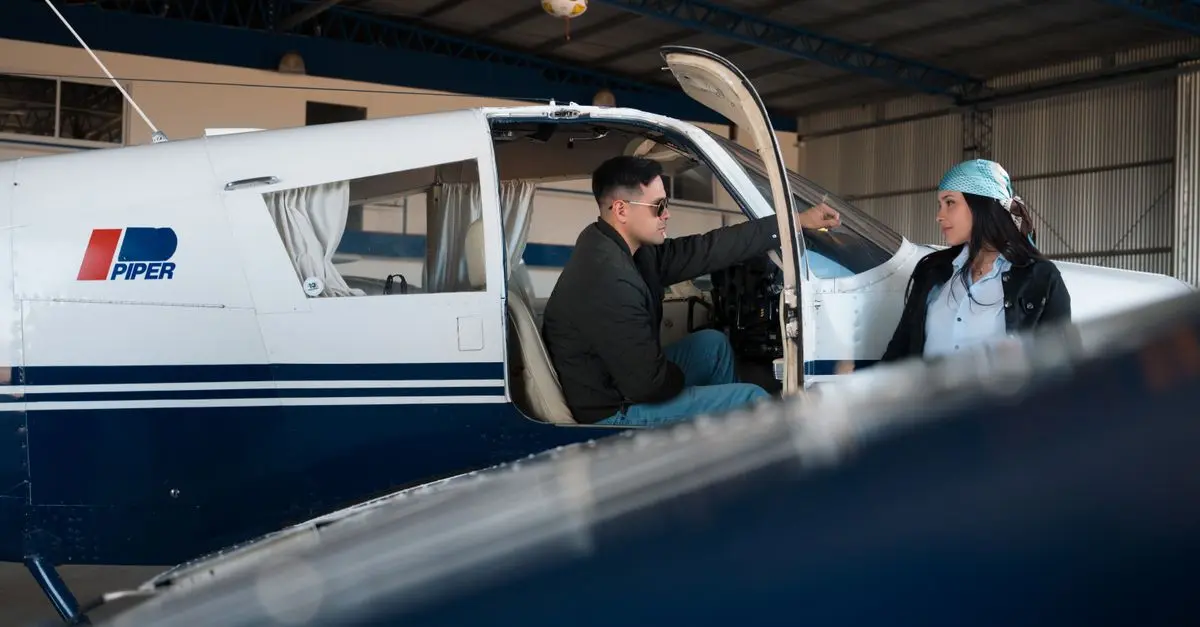
Once you’ve completed ground school, start your flight lessons. These typically involve one-on-one training with a certified flight instructor. Expect to learn about aircraft controls, maneuvers, communication with air traffic control, and safety protocols. Set realistic goals for each lesson to track your progress effectively.
- Practice, Practice, Practice
Regular practice is vital. Schedule regular flights to build your confidence and skill. In fact, research indicates that pilots who train consistently achieve their licenses faster. As you progress, you’ll move from basic maneuvers to more complex flight tasks, such as solo flights.
- Prepare for the Checkride
Your checkride, or practical exam, is the culmination of your training. Preparation is key; review all aspects of flying and practice mock flights with your instructor. This will not only help you feel more comfortable but also enhance your practical flying skills.
- Obtain Necessary Certifications
Upon successful completion of your checkride, you’ll be issued your pilot certification. This can open doors to additional ratings, such as commercial pilot or flight instructor certification.
Comparative Analysis: Flight Schools and Training Programs
When choosing a flight training program, it's important to compare various options. Below is a breakdown comparing two types of flight schools: traditional vs. online training.
| Criteria | Traditional Flight School | Online Flight Training | Verdict |
|---|---|---|---|
| In-person instruction | Yes | No | Traditional offers direct feedback |
| Flexibility | Low (fixed schedule) | High (self-paced) | Online benefits busy schedules |
| Cost | Moderate to High | Lower (fewer overheads) | Online training can save money |
| Practical experience | Higher (immediate flight experience) | Limited (requires in-person follow-up) | Traditional prioritizes hands-on practice |
The aviation industry has undergone significant changes in flight training in recent years. According to the International Air Transport Association (IATA), the demand for pilots is predicted to grow significantly due to the increasing number of air travelers globally. As of 2025, it was estimated that the aviation industry would require an additional 790,000 pilots by 2037. Aspiring pilots should take this trend into account when planning their training and career paths, as demand can influence the types of flight schools and programs that may offer more fruitful career opportunities after training.
Q1: How long does flight training take?
A1: Flight training duration varies based on the type of certification sought. On average, obtaining a Private Pilot License takes 3 to 6 months with consistent training.
Q2: What is the cost of flight training?
A2: Costs can range from $8,000 to $15,000 for a Private Pilot License, depending on the school, location, and hours flown.
Q3: Do I need to have a medical examination?
A3: Yes, a medical certificate is required before beginning flight training to ensure you meet health standards set by aviation authorities.
Q4: What’s the best aircraft for training?
A4: Generally, high-wing single-engine aircraft are favored for training due to their visibility and stability.
Glossary
| Term | Definition |
|---|---|
| Private Pilot License (PPL) | A certification allowing holders to fly privately without compensation. |
| Checkride | The practical test required for a pilot certification. |
| Ground School | Theoretical part of flight training covering aeronautical knowledge. |
📺 For further insights: [Learn about Flight Training Techniques in the Modern Era], a comprehensive analysis of current flight training methodologies. Search on YouTube: "flight training techniques 2026".
Ready to spread your wings? We’ve selected several products that can enhance your training experience, including resources for effective learning and essential flight tools. Check them out below!
📺 Pour aller plus loin : flight training techniques 2026 sur YouTube
Recommended products
Selected by our experts

Gymax - 16'' Kids Bicycle Children's Training Bicycle w/ Removable Training Wheels & Basket - Purple
bestbuy.com

Syedee - Seated Dip Machine with Max 400lbs Plate Loaded, Adjustable Tricep Press with Cable Bar for Biceps Chest Training - Red
bestbuy.com