Table of Contents (10 sections)
Becoming a pilot is a dream for many, symbolizing freedom and adventure in the skies. This guide will take you through the essential steps to kickstart your journey toward becoming a licensed pilot. Whether you aspire to fly for leisure or pursue a professional career, understanding the prerequisites and processes involved is key to making your dream a reality.
Understanding What It Takes to Become a Pilot
Before diving into the logistics, it’s crucial to understand what being a pilot entails. The role of a pilot is to navigate aircraft, ensuring the safety of passengers and crew. According to the Federal Aviation Administration (FAA), pilots must possess specific certifications and licenses, which vary based on the type of flying you wish to undertake—private, commercial, or airline transport pilot (ATP). Each level requires a different amount of training, hours of flight experience, and examinations.
In the United States, aspiring pilots must start with a Private Pilot Certificate, which allows you to fly solo or with passengers but not for compensation. The FAA mandates a minimum of 40 hours of flight time, including specific training hours with an instructor and solo flights. By understanding these requirements, you can better prepare yourself for what lies ahead.
Additionally, it’s essential to have a firm grasp of aeronautical knowledge, which includes subjects like weather, navigation, and aircraft systems. Many resources and training programs can help you gain this understanding, such as ground school offered by flight schools or community colleges.
Step 1: Research and Choose the Right Flight School
Selecting the right flight school is one of the most important decisions you'll make on your journey to become a pilot. Start by researching local flight schools and comparing them based on factors such as course offerings, instructor qualifications, aircraft availability, and student feedback. Websites like Pilot’s HQ and AOPA provide comprehensive directories where you can read reviews and find accredited schools near you.
When evaluating a school, consider visiting the facility and enjoying a discovery flight. This experience will give you a feel for the training environment and allow you to ask questions directly from instructors. Additionally, ensure the school is accredited and check if they have a program that fits your flight training goals, whether it's to become a private pilot, commercial pilot, or specialized certificates.
Keep an eye out for schools that offer a structured syllabus and clear pathways to help you achieve your goals. Most importantly, talk to current students about their experiences. Their insights can provide invaluable information that you won’t find in brochures or websites.


Step 2: Obtain Medical Certification
Before you start training, you must obtain an appropriate medical certificate, which ensures you meet the health standards necessary for flying. The FAA requires pilots to pass a medical exam conducted by an FAA-authorized aviation medical examiner.
There are three classes of medical certificates:
- First Class: Required for airline transport pilots. It entails the highest standards and is essential for those who want to pursue a commercial flying career.
- Second Class: Suitable for commercial pilots but not for airline transport. It has slightly relaxed medical requirements.
- Third Class: Generally acceptable for private pilots, focusing on basic health criteria.
During your medical examination, the examiner will assess your vision, hearing, and overall physical and mental health. It's vital to disclose any medical history that might affect your ability to fly. According to the AOPA, a significant number of applicants pass their medical exams, so don’t be discouraged if you have concerns. Preparation and communication with your examiner are key.
Step 3: Complete Ground School
Ground school is an essential component of your pilot training, where you will learn fundamental concepts, regulations, and skills necessary for flying. Ground school can be completed in a classroom or online, with courses covering topics such as aerodynamics, meteorology, navigation, and aviation regulations.
Completion of ground school often requires passing a written exam, which tests your knowledge of aviation principles. Look for courses that include a structured syllabus and simulated test environments. Many flight schools combine ground school classes with flight training, allowing you to apply what you've learned in real-world scenarios.
Ultimately, the knowledge gained in ground school is foundational for your success in flight training. For this reason, it's crucial to engage actively with the material and reach out for help if you have difficulty understanding any concepts.
Step 4: Start Flight Training
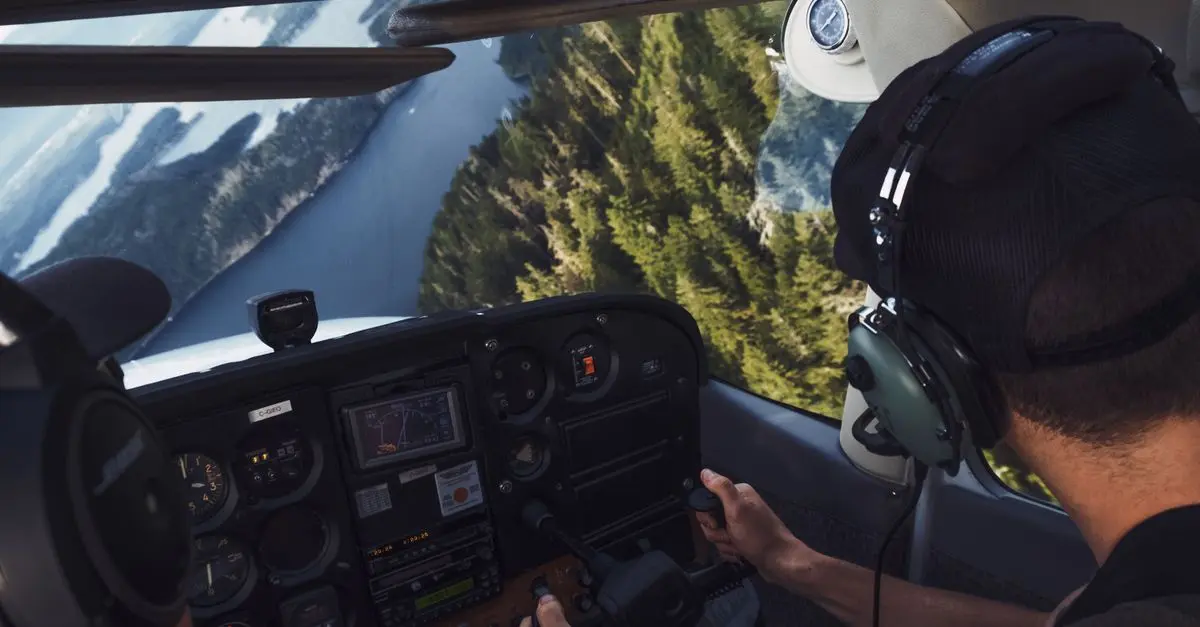
Once you've completed your ground school and passed your medical examination, it's time to enter the cockpit. Flight training consists of a blend of dual flight lessons with an instructor and solo flights, where you'll practice the skills you’ve learned. This practical experience is crucial for developing your flying ability and confidence.
During your flight training, embrace the opportunity to learn from your mistakes, and don’t hesitate to ask your instructor for clarification on techniques that are unfamiliar. Additionally, practice is essential. The more hours you log in the air, the more comfortable you will become with aircraft systems and procedures.
Keep in mind that the paths to success are different for everyone. While the FAA requires a minimum of 40 hours, many aspiring pilots exceed this, logging anywhere from 60 to 100+ hours before passing the checkride. Focus on mastering the required skills rather than just checking hours off your logbook. Consistency and persistence will contribute to your overall growth as a pilot.
Step 5: Pass Your Checkride
The checkride, or practical test, is a significant milestone in the journey to becoming a pilot. Conducted by an FAA examiner, the checkride consists of two main parts: an oral and a flight portion. Throughout this process, the examiner will evaluate your knowledge and flying skills based on criteria established by the FAA.
Preparing for the checkride means reviewing all aspects of your training, ensuring you’re clear on regulations, procedures, and emergency protocols. A great strategy is to conduct mock checkrides with your instructor, simulating exact conditions you might face on testing day.
Furthermore, familiarizing yourself with the specific aircraft you’ll be flying during the checkride is essential. Understanding its systems, emergency procedures, and handling characteristics will bolster your confidence and performance.
Upon successfully completing the checkride, you will receive your private pilot certificate! Remember to celebrate this achievement, as it represents all the hard work you've put in and marks the beginning of your aviation career.
Freud 1/2 in. D X 1/2 in. X 3-3/4 in. L Carbide Panel Pilot Router Bit
acehardware.com

Checklist for Aspiring Pilots
- [ ] Research flight schools in your area.
- [ ] Obtain an FAA-approved medical certification.
- [ ] Complete ground school courses.
- [ ] Start flight training with an instructor.
- [ ] Prepare for and pass the checkride.
Glossary
| Term | Definition |
|---|---|
| Checkride | The practical test to obtain a pilot's license, involving an oral exam and a flight test. |
| Private Pilot Certificate | A license allowing the holder to fly privately, not for compensation. |
| Ground School | The academic portion of pilot training, covering aviation knowledge necessary for flight. |
> 📺 For further exploration: Watch introductory videos about becoming a pilot on YouTube by searching for “how to become a pilot 2026”.
🧠 Quick Quiz: What is the first step to becoming a pilot?
- A) Pass the checkride
- B) Complete ground school
- C) Choose a flight school
Answer: C — Choosing the right flight school is the foundational step in your journey to becoming a pilot.
We hope this guide empowers you on your journey to becoming a pilot. With dedication and the right resources, you can achieve your dream of flying. Ready to take off? Start your training today!
Recommended Products
| Catalog ID | Context |
|---|---|
| 7504a25d-ce80-4276-b6b6-ffd33afb6148 | This skincare product is ideal for maintaining a clear complexion during your flight training journey. |
| 685dbecd-10fb-47f8-9bf9-2241e7280b49 | This collection details aviation history, providing context for your studies. |
| 113e9aa0-96b7-4591-ac71-2b3bcd5f7c36 | Essential equipment for any aspiring pilot to ensure steady, reliable navigation. |
---
📺 Pour aller plus loin : how to become a pilot 2026 sur YouTube
Recommended products
Selected by our experts

IWC Big Pilot's Watch Top Gun Black Dial Watch, 43.8mm,Ceramic IW329801 IWC
benbridge.com

Pre-Owned IWC Pilot�s Watch Chronograph Black Dial Watch, 43mm,Stainless Steel RIW377710#5675352 IWC
benbridge.com