Table of Contents (16 sections)
Introduction
The concept of autonomous aviation has transitioned from a futuristic dream to a burgeoning reality. As we find ourselves in 2026, the landscape of air travel is being profoundly reshaped by advancements in technology. In this comprehensive exploration, we will delve into the current trends in autonomous aviation, examining their implications for aspiring pilots and the aviation industry as a whole.
Rise of Unmanned Aerial Vehicles (UAVs)
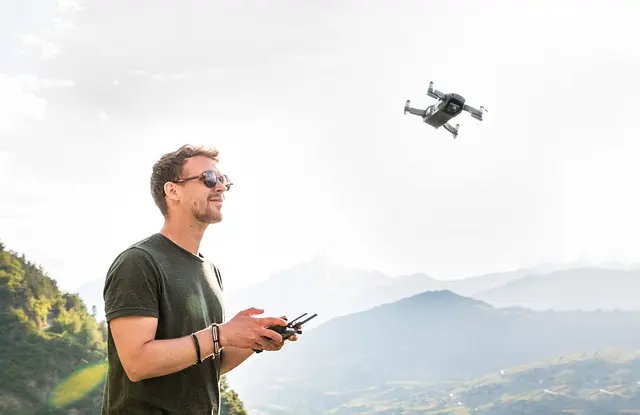
Unmanned Aerial Vehicles, or UAVs, represent a significant trend in autonomous aviation. These aircraft are piloted remotely or programmed for full autonomy, showcasing potential uses from package delivery to complex military operations. The rise of UAVs is critical as they promise to reduce operational costs and enhance efficiency. Companies such as Amazon and UPS are already leveraging UAVs for delivery purposes, a move that indicates the commercial sector’s comfort with this technology. According to Gartner, the market for UAVs is expected to grow by 12% annually, reflecting robust adoption and investment.
Analysis
The growing reliance on UAVs signifies a major shift in the aviation ecosystem. For aspiring pilots, this trend points toward diversified career possibilities, requiring adaptability and proficiency in new flight technologies.
Integration of Artificial Intelligence in Navigation
Artificial Intelligence (AI) enhances autonomous aviation by improving navigation systems. AI algorithms process massive datasets for real-time decision-making, ensuring precision in automated flights. Airbus and Boeing are at the forefront, implementing AI for predictive maintenance and route optimization. This integration not only enhances safety but also optimizes fuel consumption, making aviation more sustainable.
Analysis
AI’s role in navigation can potentially reduce the demand for traditional piloting skills while simultaneously creating a need for tech-savvy pilots versed in AI technologies.
Advanced Air Mobility (AAM)
Advanced Air Mobility (AAM) envisions a future where urban air taxis navigate bustling cities. This concept is propelled by autonomous drones facilitating urban transportation. According to Morgan Stanley, the AAM market could be worth $1.5 trillion by 2040. Urban centers such as Los Angeles and Dallas are already pilot testing AAM projects, showcasing potential for reducing urban congestion.
Analysis
This trend highlights a new dimension for career opportunities in aviation, emphasizing roles related to management and operations of air mobility services.
Increased Regulation and Safety Protocols
With the advancement of autonomous aviation comes the necessity for robust regulation and safety protocols. Regulatory bodies like the FAA are working diligently to ensure these systems are implemented safely. New aviation regulations are being introduced to address the complexities of autonomous flights, focusing on air traffic management and cybersecurity.
Analysis
Aspiring pilots must remain informed about evolving regulations as these will inform their training and certification processes.
📺 Resource Video
> 📺 For further insights: Exploring Autonomous Aviation in 2026, an in-depth look at the technologies revolutionizing air travel. Search on YouTube: "autonomous aviation 2026 analysis."
The Role of Cybersecurity
With the rise of autonomous systems, cybersecurity emerges as a critical concern. Protecting aircraft from hacking and ensuring data integrity are paramount. Firms like Thales and Northrop Grumman are actively developing cybersecurity frameworks tailored to autonomous aviation.
Analysis
As autonomous aircraft become commonplace, knowledge of cybersecurity will be indispensable for pilots and technicians.
Comparative Analysis
| Aspect | Traditional Aviation | Autonomous Aviation | Impact |
|---|---|---|---|
| Pilot Role | Human-piloted | AI-assisted | Shift to tech-focused roles |
| Cost | High operational costs | Reduced operational costs | Economic efficiency |
| Safety | Human error prevalent | AI mitigates human error | Enhanced safety standards |
- What is autonomous aviation?
Autonomous aviation refers to the use of aircraft that can operate without direct human control through advanced technologies like AI and UAVs.
- Will pilots become obsolete with autonomous aviation?
No, pilots will still be essential, although their roles may shift toward oversight and management of automated systems.
- What are the safety concerns with autonomous aviation?
Key concerns include cybersecurity threats and ensuring robust safety protocols to handle unexpected situations.
- How will autonomous aviation impact the environment?
Autonomous systems can lead to fuel optimizations and lower emissions, contributing to environmental sustainability.
Glossary
| Term | Definition |
|---|---|
| UAVs | Unmanned Aerial Vehicles used for various autonomous applications. |
| AAM | Advanced Air Mobility, focused on urban air taxi systems. |
| AI | Artificial Intelligence, used for augmenting navigation and decision-making in aircraft. |
Checklist before entering the field
- [ ] Stay informed about latest UAV technologies
- [ ] Understand AI integration in aviation
- [ ] Review evolving regulations
- [ ] Explore AAM initiatives in urban planning
- [ ] Develop cybersecurity skills relevant to aviation
🧠 Quick Quiz: Does the rise of AAM signify a shift to urban air taxis?
- A) Yes
- B) No
- C) Uncertain
Answer: A — The deployment of AAM projects showcases a shift to integrating air taxis in urban settings.
In conclusion, the future of autonomous aviation is not only reshaping the industry but also creating a dynamic environment for those pursuing a career as pilots. Staying abreast of these trends is crucial for adapting and thriving in this evolving field.