Table of Contents (12 sections)
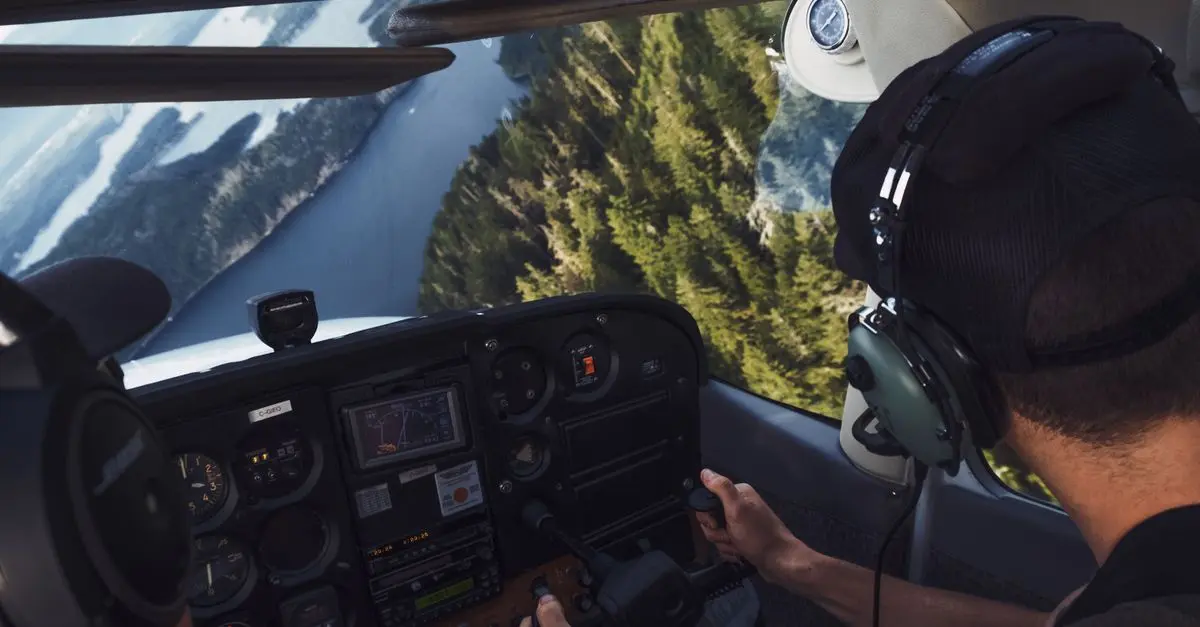
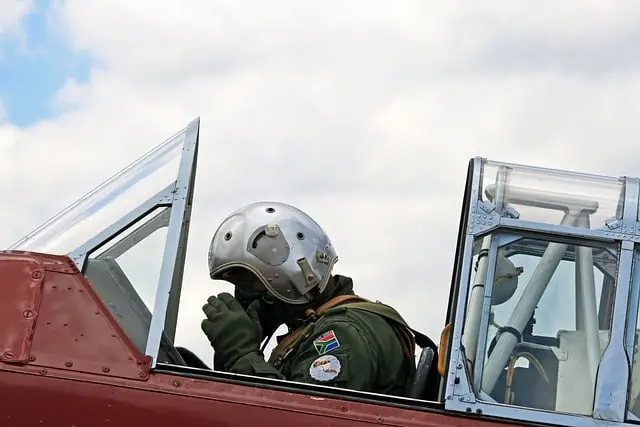
Preparing for pilot training can be a thrilling yet demanding journey. It involves not only mastering technical skills but also ensuring that you’re mentally and physically ready for the challenges ahead. In this guide, we will cover essential steps to prepare effectively for your pilot training, providing actionable advice and insights to help you succeed.
Step 1: Understand the Requirements and Regulations
Before diving into pilot training preparation, it is crucial to understand the requirements set forth by aviation authorities. In the United States, the Federal Aviation Administration (FAA) outlines specific eligibility criteria which include age, medical certification, and educational background. Awareness of regulations is critical because, without a solid understanding of these prerequisites, candidates may face setbacks later in their training.
For many aspiring pilots, obtaining a Class II Medical Certificate is a first step. This certificate ensures that you meet the medical standards required for a pilot. Prepare to undergo an examination by an FAA-authorized aviation medical examiner. Common disqualifying conditions include severe visual impairments or certain psychiatric issues. Knowing this early allows candidates to address any potential health concerns in advance.
Additionally, familiarize yourself with the various pilot licenses available, such as Private Pilot, Instrument Rating, and Commercial Pilot. Each has different flight hour requirements and training goals. Establishing which path you wish to pursue will guide you in your training choices and help you prepare effectively.
Step 2: Budgeting for Pilot Training
Pilot training can be a significant financial investment, often costing upwards of $10,000 to $15,000 depending on the type of license sought and flight school chosen. It is important to create a detailed budget that includes tuition, flight hours, study materials, and other related expenses such as examination fees and supplies.
Research various flight schools and their programs. Online reviews and testimonials can provide insights into the quality and costs of programs. Furthermore, explore financing options. Some schools may offer payment plans or information on scholarships for aspiring pilots.
Crafting a thorough financial plan will set realistic expectations and ultimately assist in alleviating potential stress as you progress through your training.

Gymax - 18'' Kids Bicycle Children's Training Bicycle w/ Removable Training Wheels & Basket - Purple
bestbuy.com

Gymax - 16'' Kids Bicycle Children's Training Bicycle w/ Removable Training Wheels & Basket - Pink
bestbuy.com

Gymax - 18'' Kids Bicycle Children's Training Bicycle w/ Removable Training Wheels & Basket - Pink
bestbuy.com
Step 3: Selecting the Right Flight School
Choosing the right flight school is paramount to your training experience. Consider factors such as the school's reputation, instructor qualifications, training equipment, and environment. Visit potential schools and ask about their courses, practical training methods, and student-to-instructor ratios.
Key Questions to Ask When Selecting a Flight School:
- What is the school's pass rate for students?
- Are instructors certified and experienced?
- What type of aircraft does the school use?
- How flexible are the training schedules?
Creating a comparison chart can help visualize the key features of each school you're considering. Ensure that the school aligns with your learning style and objectives, as this will significantly impact your training success.
Comparison Chart
| Criteria | Flight School A | Flight School B | Flight School C |
|---|---|---|---|
| Pass Rate | 95% | 89% | 92% |
| Aircraft | Cessna 172 | Piper PA-28 | Diamond DA40 |
| Instructor Experience | 10 years+ | 5 years | 8 years |
| Flexible Schedule | Yes | Limited | Yes |
Step 4: Physical and Mental Preparation
As a pilot, your physical and mental condition greatly impacts your performance. Develop habits that promote a healthy lifestyle, including regular exercise, a balanced diet, and sufficient sleep. This not only aids in meeting medical certification but also enhances your cognitive function during flights.
Mental preparation is equally important. Flight training can be stressful, and managing stress effectively can improve your focus. Techniques such as mindfulness and visualization are useful. Consider engaging in flight simulator practice before your actual pilot training begins. Simulators enhance your familiarity with aircraft operations and decrease anxiety during real flights.
Step 5: Study and Practice
Ground school is just as crucial as flight training. A solid understanding of the theoretical aspects of flying – including aerodynamics, weather patterns, and navigation – will significantly enhance your practical skills. Utilize a mix of study materials including textbooks, online courses, and interactive training tools.
Practice regularly with study groups or find a mentor who can provide insights and feedback on your progress. Investing time in online forums or local pilot clubs can yield valuable connections as well.
By reinforcing your study habits with practical flying experience, you build a robust foundation for becoming a competent pilot.
Quiz rapide:
> 🧠 Quick Quiz: What is the minimum age to obtain a Private Pilot License in the U.S.?
> - A) 16 years
> - B) 17 years
> - C) 18 years
> Answer: B — You must be at least 17 years old to obtain a Private Pilot License in the U.S.
Checklist before Training
- [ ] Complete medical examination for Class II Certificate.
- [ ] Create a solid budget for training costs.
- [ ] Visit and evaluate suitable flight schools.
- [ ] Develop and maintain a healthy lifestyle.
- [ ] Engage in ground studies and practical simulations.

Gymax - 14'' Kids Bicycle Children's Training Bicycle w/ Removable Training Wheels & Basket - Pink
bestbuy.com

Gymax - 14'' Kids Bicycle Children's Training Bicycle w/ Removable Training Wheels & Basket - Purple
bestbuy.com

Gymax - 16'' Kids Bicycle Children's Training Bicycle w/ Removable Training Wheels & Basket - Purple
bestbuy.com
Glossary
| Term | Definition |
|---|---|
| Pilot Training | Comprehensive instruction on the skills necessary to operate aircraft. |
| FAA | Federal Aviation Administration, U.S. government agency regulating civil aviation. |
| Flight Simulator | A device or software that simulates aircraft operations for training purposes. |
Conclusion
Becoming a pilot is a rewarding yet challenging journey. Adhering to these steps will not only streamline your preparation process but also enhance your chances of succeeding in your pilot training. Make informed choices, stay focused, and before you know it, you'll be soaring through the skies.
📺 For further insights: Understanding the Basics of Pilot Training, find comprehensive videos on YouTube: pilot training preparation 2026.
Recommended Products
- - - ---
📺 Pour aller plus loin : pilot training preparation 2026 sur YouTube
Recommended products
Selected by our experts

Syedee - Seated Dip Machine with Max 400lbs Plate Loaded, Adjustable Tricep Press with Cable Bar for Biceps Chest Training - Red
bestbuy.com


Uplifted Goods Fitness Training Gloves For Weightlifting Gym And Workout Support a red m
inspireuplift.com