Table of Contents (15 sections)
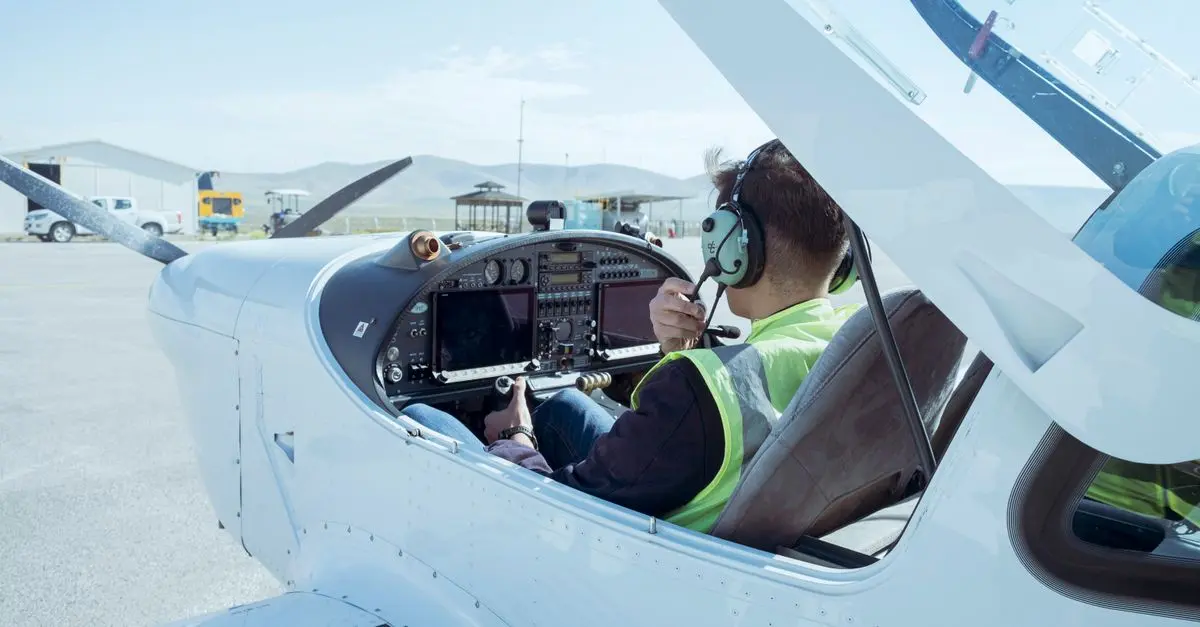
Becoming a pilot is an exhilarating pursuit, but it requires diligence, skill, and the right mindset. As you embark on your pilot training journey, certain tips can significantly enhance your experience and success rate. Here, we delve into essential strategies that every new aviator should keep in mind.
1. Set Clear Goals for Your Journey
Setting clear, achievable goals is the first step in your pilot training. Whether you want to become a private pilot, a commercial aviator, or aim for an airline transport pilot license, knowing your destination will guide your training. Break your overall goal into smaller, manageable milestones—for instance, completing ground school, passing written tests, and acquiring a specified number of flight hours. A study by the FAA emphasizes that pilots with clear objectives tend to perform better during their training.
2. Develop a Consistent Study Routine
Consistency is key when it comes to absorbing the wealth of material covered in pilot training. Create a dedicated study schedule that aligns with your flying lessons. Resources such as flight instruction books, online courses, and pilot training apps can help. Incorporating various study methods, like flashcards for terms and quizzes on key subjects, can reinforce your learning. Having a consistent routine will help you stay committed and ensure you grasp crucial information.
3. Embrace Real-Life Flight Experience
There is no substitute for hands-on flying experience. Try to partake in as many dual flights with your instructor as possible. As you gain more flying time, don’t hesitate to ask your instructor for extra flight hours focusing on areas where you feel less confident. According to AOPA, student pilots who maximize flight hours during training frequently outperform those who fly less frequently, leading to a more seamless transition to solo flying.
4. Build a Strong Relationship with Your Instructor
Your flight instructor plays a vital role in your training journey. Cultivating an open and trusting relationship with your instructor can lead to valuable insights and personalized feedback about your flying technique. Use each lesson to ask questions and express any doubts. The better the rapport you have, the more productive your sessions will be. Remember, your instructor's feedback is meant to help you improve.
5. Leverage Technology and Simulation
As technology continues to evolve, so does the simulation equipment used for pilot training. Utilize flight simulator software that mirrors your actual training aircraft to practice various maneuvers. Many simulators now offer realistic flight dynamics, which can illuminate aspects of flight you may find challenging. Data from the National Association of Flight Instructors (NAFI) suggests that integrating flight simulation can lead to significantly improved performance during actual flight training.
6. Stay Physically and Mentally Fit
Flying demands a significant level of physical and mental fitness. It’s essential to develop a healthy routine outside of flying, consisting of regular exercise and a balanced diet. Notably, studies suggest that physical activity can enhance cognitive function and stress management, both crucial for safe piloting. Consider engaging in activities like yoga or meditation to improve your focus and reduce anxiety during exams and flight tests.
7. Connect with Fellow Aviation Students
Networking with peers in your pilot training class can enhance your learning experience. Engage in study groups, and share resources and knowledge, and practice flight maneuvers together. Community forums and social media groups for pilots can also provide support and specialized information. Fellow students can often offer different perspectives that might aid in your understanding of complex concepts.
8. Understand Weather Conditions
A significant aspect of piloting is understanding how weather affects flight. Regularly study your local area’s weather patterns and learn how to interpret aviation weather reports. During your lessons, ask to incorporate weather-related planning into your flight schedule. An understanding of weather can be the difference between a safe flight and a hazardous situation. According to the AOPA, adverse weather is a leading factor in pilot-caused incidents; hence, continual education in this area is crucial.
9. Prepare for Your Written and Practical Exams
As you approach the completion of your training, focus on preparing for both the written and practical flight exams. Create a study timeline and review FAA regulations and procedures thoroughly. Practice mock exams using online resources or through your flight school to gauge your readiness. Take comfort in knowing that preparation alleviates much of the anxiety surrounding exams. Set specific dates for when you aim to take these tests to instill a sense of accountability.
10. Never Stop Learning
Even after obtaining your license, remain committed to lifelong learning. Aviation is a field that constantly evolves with new technologies and regulations. Participating in continued education courses, attending aviation seminars, and reading industry blogs can keep your skills sharp. Join organizations like EAA (Experimental Aircraft Association) or AOPA to access a wealth of resources and networking opportunities.
💡 Expert Opinion: According to industry professionals, pilots who adopt a continuous learning mentality are more likely to succeed in their careers.
Conclusion
Mastering the multifaceted world of aviation requires dedication and an array of effective strategies. Incorporate these pilot training tips into your routine, and remember to adapt them to suit your unique learning style and training objectives. May your journey through the skies be safe and rewarding!
Checklist before your flight training
- [ ] Set clear personal goals.
- [ ] Create a study schedule.
- [ ] Maximize flight hours with instructors.
- [ ] Develop relationships with fellow aviators.
- [ ] Stay physically fit.
- [ ] Study weather conditions regularly.
- [ ] Prepare for exams systematically.
📺 Resource Video
For further enrichment, explore The Principles of Flight Training, a complete analysis of effective pilot training methods. Search on YouTube: pilot training tips 2026.

Chicco Cuillère Enfant Easy Training Silicone Bleu +6m 2u
DocMorris FR (ex DoctiPharma FR)

Victory Endurance Pre-Training Storm Raspberry-Lemonade 300g
DocMorris FR (ex DoctiPharma FR)

Nuk Biberon Silicone Training Cabbage 2020 150 Ml
DocMorris FR (ex DoctiPharma FR)
Glossary
| Term | Definition |
|---|---|
| Flight Simulator | A device that artificially creates the experience of flying an aircraft, often used for training. |
| Maneuvering | Refers to the skills required to control an aircraft's flight path and behavior. |
| Cross-Country Flight | A flight between two airports that requires navigation beyond the local area of the departure airport. |
---
📺 Pour aller plus loin : pilot training tips 2026 sur YouTube
Recommended products
Selected by our experts
Chicco Cuillère Enfant Easy Training Silicone Bleu +6m 2u
DocMorris FR (ex DoctiPharma FR)
A practical product to facilitate smooth eating for children; essential for training environments where distractions can arise.
Victory Endurance Pre-Training Storm Raspberry-Lemonade 300g
DocMorris FR (ex DoctiPharma FR)
A pre-training energy drink that can enhance focus and performance during long study and flight sessions.
Nuk Biberon Silicone Training Cabbage 2020 150 Ml
DocMorris FR (ex DoctiPharma FR)
An easy-to-hold training bottle that encourages hydration, especially during intensive flight training.