Table of Contents (11 sections)
Embarking on a career as a pilot comes with a unique blend of challenges, excitement, and rhythm. A pilot's day is meticulously structured yet can be unpredictable, combining routine tasks with dynamic decision-making. This article delves into what you can expect from a typical day in a pilot's life, providing a rich and engaging perspective into this captivating career.
Morning Routine and Pre-flight Preparation
A pilot’s day often begins in the early hours, sometimes before dawn. This is due to the necessity of aligning flight schedules with optimal weather conditions and destination time zones. The first task on the agenda is a thorough briefing. Pilots review the flight plan, weather forecasts, and any NOTAMs (Notices to Airmen) that might affect the flight. Pre-flight preparation is crucial for safety, involving detailed checklists and inspections to ensure everything is in order.
Parking Your Mind at the Gate
One of the key aspects of a pilot’s morning is mental readiness. Pilots are trained to maintain a focused state of mind, leaving personal worries aside. This mental discipline is vital in maintaining flight safety, allowing pilots to deal with unanticipated challenges calmly.
In-Flight Duties and Responsiveness
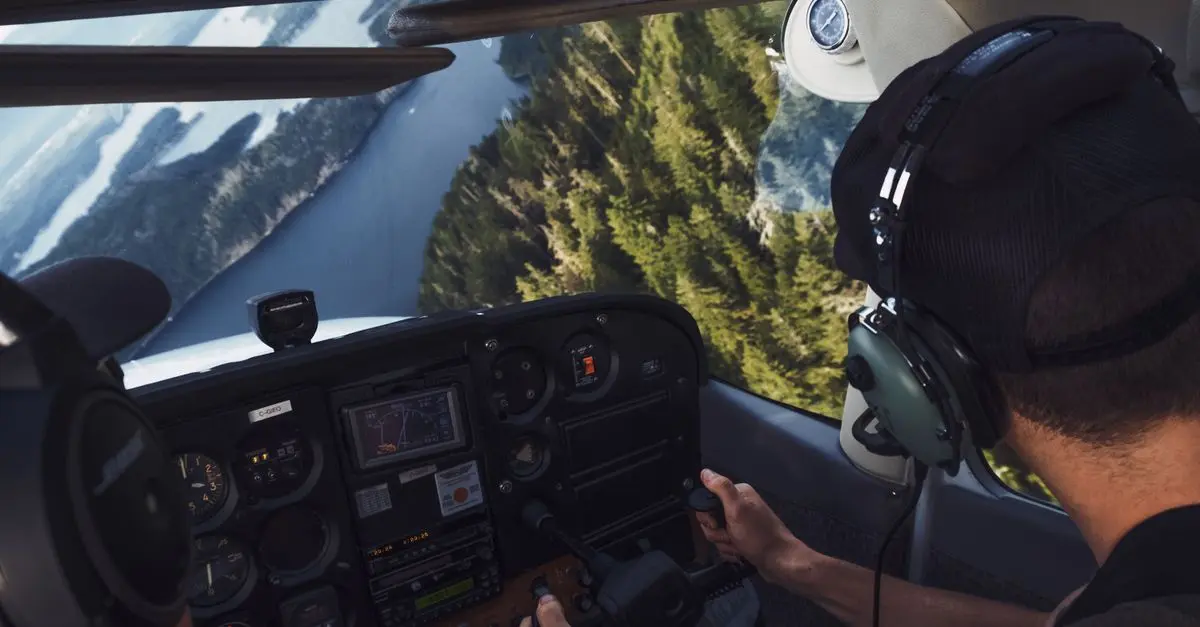
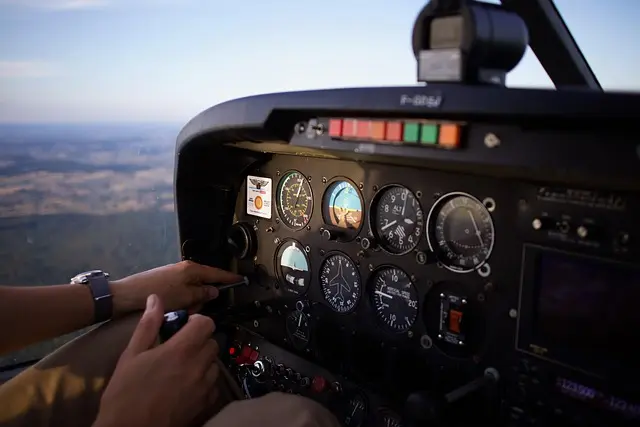
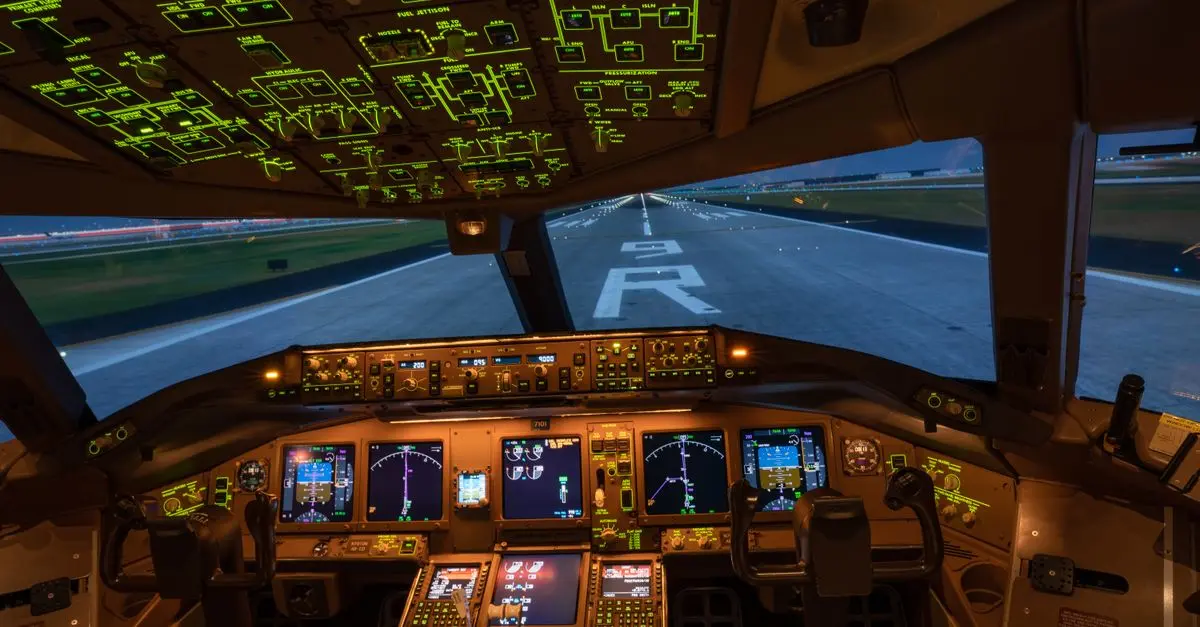
Once airborne, pilots engage in ongoing monitoring of the aircraft systems, navigating through various airspaces, and managing their aviation toolset. Modern-day cockpits are equipped with sophisticated avionics, and pilots must remain alert to changes in weather, air traffic control communications, and any technical alerts from the aircraft’s systems.
💡 Avis d'expert : “The key to in-flight success is maintaining situational awareness and being prepared for contingencies,” says retired captain John Smith, with over 20 years of commercial flying experience.
Interaction with Crew and Passengers
Communication plays a pivotal role in a pilot’s day. Pilots coordinate continuously with co-pilots, cabin crew, and air traffic control to ensure smooth operations. Occasionally, direct communication with passengers is necessary, especially during unexpected delays or turbulence, where reassurance and clarity are critical.
▼ Table 1: Comparison of Pilot Tasks During Different Flight Phases
| Flight Phase | Task A | Task B | Task C | Remarks |
|---|---|---|---|---|
| Takeoff | Throttle Management | Gear Retraction | Climb Monitoring | High concentration |
| Cruise | System Check | Navigation Adjustment | Communicate with ATC | Routine but alert |
| Landing | Approach Configuration | Speed Control | Flap/Brake Management | Precision essential |
As the aircraft approaches its destination, pilots must transition from cruise to descent smoothly. This involves vigilant management of airspeed, altitude, and trajectory. The final landing requires precise skills and teamwork. After landing, pilots oversee the parking of the aircraft and ensure all post-flight protocols are observed, such as filling out the flight log and addressing any technical discrepancies detected during the flight.
Decompressing and Preparing for the Next Day
After completing their duties, pilots often spend time reflecting on the day’s experiences. Mentally reliving the flight helps improve future performance and prepare for upcoming flights. Physical activities or hobbies are often prescribed as effective ways to decompress after a demanding shift.
📺 Ressource Vidéo
📺 For further insight: The Life and Duties of a Pilot, an in-depth look at the daily responsibilities of pilots. Search on YouTube: “life of a pilot documentary 2026”
Glossary
| Term | Definition |
|---|---|
| Flight Plan | Document outlining the planned route and details of a flight. |
| NOTAM | Notice to Airmen, informing pilots of potential hazards along a flight route. |
| Airspace | The portion of the atmosphere controlled by a particular country. |
- [ ] Review pre-flight briefing materials
- [ ] Perform pre-flight aircraft inspection
- [ ] Maintain optimal situational awareness during flight
- [ ] Ensure accurate communication with air traffic control
- [ ] Conduct post-flight checks and documentation
- What time do pilots usually begin their day?
Pilots often start their day early, sometimes hours before their scheduled flight to accommodate pre-flight procedures.
- What are the main pre-flight tasks for a pilot?
Key tasks include reviewing flight plans, checking weather conditions, and performing aircraft inspections.
- How do pilots keep themselves focused during long flights?
Pilots maintain situational awareness and take short breaks, switching with co-pilots if necessary.
- What happens after a flight ends?
Post-flight duties involve logging the flight details, dealing with any detected aircraft issues, and reflecting on the flight.