Table of Contents (13 sections)
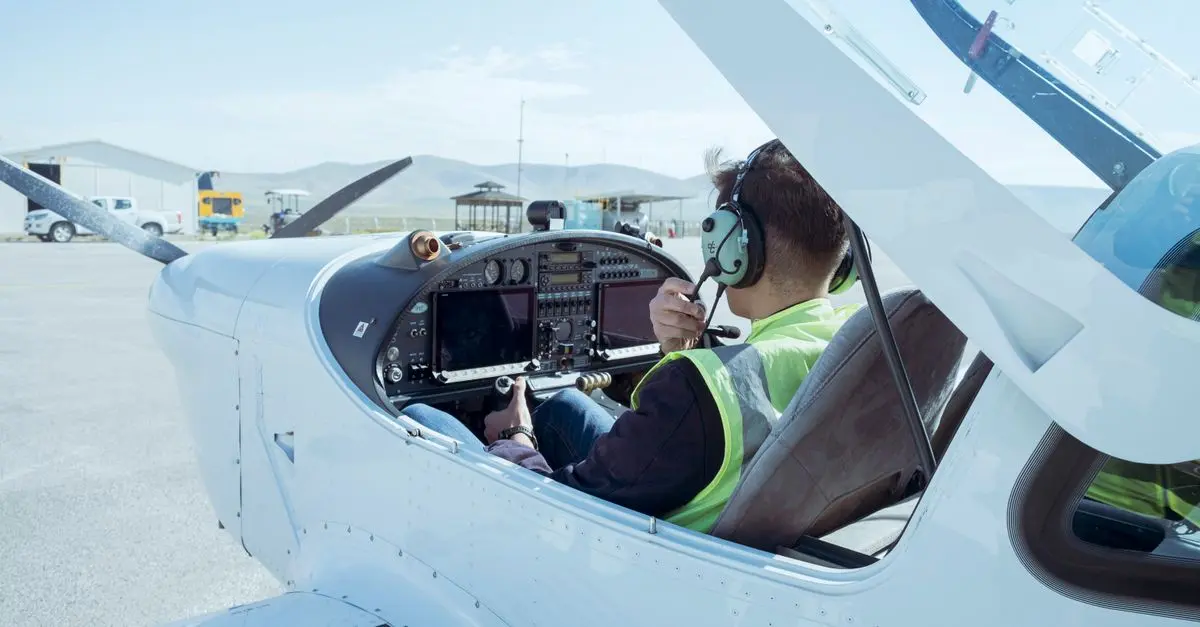
A career as a pilot offers several pathways, each with unique challenges and rewards. From flying commercial airliners to working in specialized fields, the opportunities are varied and exciting. In this article, we delve into the different career options available for those passionate about aviation.
Becoming a Commercial Airline Pilot
The most familiar path for many aspiring pilots is becoming a commercial airline pilot. This role involves operating large aircraft to transport passengers between destinations on a timely schedule. According to the Federal Aviation Administration (FAA), there were over 160,000 active airline transport pilots in the United States in 2025. To begin this career, one must obtain a commercial pilot license (CPL) and an airline transport pilot (ATP) certificate. The process requires extensive training and rigorous exams, but the rewards are significant with an average salary of $121,430 per year as reported by the Bureau of Labor Statistics (BLS).
Exploring Cargo Pilot Opportunities
Cargo pilots play a crucial role in the global economy by transporting goods across countries and continents. Unlike passenger flights, cargo operations often involve flexible and varied schedules, sometimes flying at night. FedEx and UPS are among the largest employers of cargo pilots. To pursue this path, you must hold a commercial pilot license and often have some years of piloting experience, usually acquired through jobs like flight instruction or banner towing. Cargo pilots earn an average salary of around $100,000, but this can vary widely based on experience and the company.
Specialized Aviation Careers
Beyond commercial airlines and cargo, there are numerous specialized pilot careers. These include aerial firefighting, where pilots drop water or fire retardants over wildfires, agricultural pilots, who disperse seeds and pesticides over fields, and corporate pilots flying executives on private jets. These roles often require additional training and certifications due to their specialized nature. Agricultural pilots, for example, need specific knowledge of chemical applications and crop management.
The Pathway to Becoming a Helicopter Pilot
Helicopter pilots operate rotary-wing aircraft for varied functions such as search and rescue, medical evacuations, or tourism. The demand for helicopter pilots remains strong, especially in emergency services and offshore transport. According to the Helicopter Association International, the industry anticipates steady growth due to increasing needs in public safety and emerging markets. Required training includes obtaining a commercial helicopter license and instrument qualifications.
Breaking into the Military as a Pilot
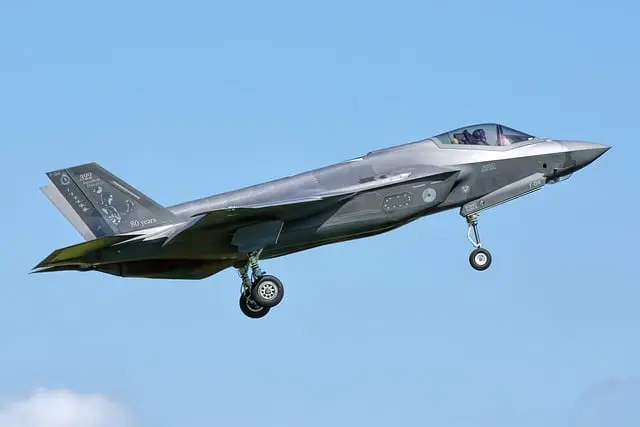
A military pilot career offers another exciting avenue. You'll receive top-notch training and develop unmatched flying skills. Whether serving in the Air Force, Navy, or Army, military pilots get to fly the most advanced aircraft. This pathway demands physical fitness and academic qualifications, often requiring a degree. After service, many military pilots transition to commercial or private aviation, bringing their high-level expertise to civilian jobs.
📺 Resource Video
📺 For more information: Career Paths for Aspiring Pilots: From Start to Success, a detailed examination of how to become a pilot. Search on YouTube: "pilot career pathways 2026".
Comparative Analysis of Pilot Careers
| Career Path | Required License | Average Salary | Major Employers |
|---|---|---|---|
| Commercial Airline | CPL, ATP | $121,430 | Delta, Southwest |
| Cargo Pilot | CPL | $100,000 | FedEx, UPS |
| Corporate Pilot | CPL | $86,080 | Private Owners |
| Helicopter Pilot | Commercial Helicopter | $75,000 | PHI, Erickson |
- What is the highest paying pilot job?
Commercial airline pilots typically earn the most, with some senior pilots making over $150,000 annually.
- How long does it take to become a pilot?
Becoming a commercial airline pilot can take anywhere from 2 to 4 years, depending on the training program.
- Can pilots switch between different types of aircraft?
Yes, but doing so requires additional training and certifications specific to each type of aircraft.
- Is it hard to become a pilot?
The journey is challenging but achievable with dedication and proper training.
Glossary
| Term | Definition |
|---|---|
| ATP Certificate | Airline Transport Pilot certificate, highest pilot license. |
| FAA | Federal Aviation Administration, US aviation authority. |
| Commercial License | Allows piloting for compensation or hire. |
Checklist Before Embarking on a Pilot Career
- [ ] Research different pilot careers
- [ ] Obtain necessary pilot licenses
- [ ] Gain flight experience
- [ ] Network with aviation professionals
- [ ] Stay updated on aviation regulations