Table of Contents (12 sections)
Introduction
The aviation industry is rapidly evolving with innovations that are reshaping how we fly. From artificial intelligence (AI) enhancements to eco-friendly aircraft design, 2026 is a pivotal year for these advancements. Understanding these trends is essential for anyone considering becoming a pilot.
Autonomous Flight Systems
Autonomous flight systems are no longer a futuristic concept. In 2026, airlines increasingly integrate these technologies to enhance safety and efficiency. Boeing and Airbus are at the forefront, working on systems that allow planes to navigate and land autonomously. These advancements reduce human error, which is cited as a cause in over 80% of aviation incidents (Source: NTSB). For pilots, learning to work alongside AI systems is becoming crucial.
Sustainable Aviation Fuels (SAF)
With environmental concerns mounting, the aviation industry is turning to Sustainable Aviation Fuels (SAF) to reduce its carbon footprint. SAF can lower emissions by up to 80% compared to traditional jet fuels (Source: IATA). Airlines are investing more into SAF production, aiming for a 50% blend by 2030. Pilots should understand SAF's role in reducing emissions, as it impacts operational decision-making and fuel planning.
Electric Aircraft
Electric aircraft are making significant strides due to advancements in battery technology and energy efficiency. NASA and Rolls-Royce are spearheading research, aiming to develop fully operational electric planes by 2030. These aircraft promise quieter operations and zero emissions during flight. As the infrastructure develops, pilots may find themselves navigating routes designed specifically for electric airplanes.
Advanced Air Mobility (AAM)
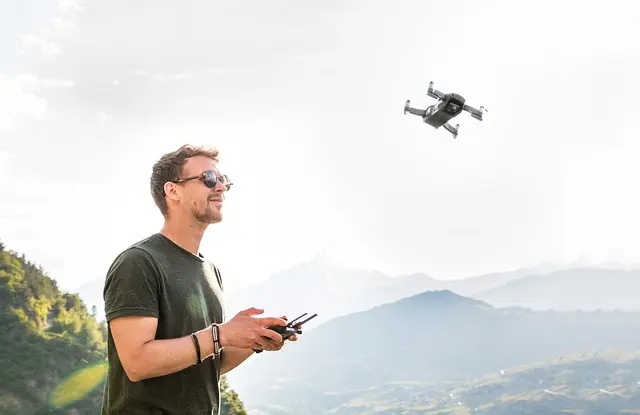
Advanced Air Mobility (AAM) envisions a world where drones and unmanned vehicles carry out cargo and emergency response tasks, complementing traditional aviation. Uber Elevate and Joby Aviation are leading development in this sector. The shift towards AAM is expected to create new pilot roles focused more on monitoring systems and less on manual flying, redefining the role of a pilot.
📺 Resource Video
📺 For further insights: Check out the video [Understanding AI in Aviation 2026] for a deeper dive into AI technology in aviation. Search YouTube: "AI advancements in aviation 2026."
Noise Reduction Technologies
Noise pollution is a growing concern, especially near urban airports. Technologies such as active noise reduction are being integrated into aircraft design. Airbus has developed engines that reduce noise footprints by 50% (Source: Airbus). Understanding these technologies helps pilots manage community relations better, especially in noise-sensitive areas.
AI in Air Traffic Management
AI is revolutionizing air traffic management by optimizing flight paths and reducing delays. Systems like the SESAR in Europe are implementing AI to predict weather patterns and improve route efficiency. This technology is expected to save billions in fuel costs and reduce emissions, a key area for pilots to monitor.
Comparative Analysis
| Technology Trend | Impact on Aviation | Current Leaders | Challenges |
|---|---|---|---|
| Autonomous Flights | Increases safety, reduces human error | Boeing, Airbus | Regulatory approval |
| Sustainable Fuels | Significantly lowers emissions | IATA, SAF developers | Production scale |
| Electric Aircraft | Zero emissions, quieter flights | NASA, Rolls-Royce | Battery capacity |
| AAM | Diversifies roles, improves urban transport | Uber Elevate, Joby Aviation | Infrastructure |
- How do sustainable aviation fuels benefit the environment?
SAF reduces carbon emissions by up to 80% compared to traditional jet fuels.
- What is Advanced Air Mobility (AAM)?
AAM includes the integration of drones and unmanned vehicles in aviation tasks.
- How does AI enhance air traffic management?
AI optimizes flight paths and reduces delays, contributing to fuel savings and emissions reduction.
Glossary
| Term | Definition |
|---|---|
| Autonomous Flights | Flight operations controlled by automated systems with minimal human intervention. |
| Sustainable Aviation Fuels (SAF) | Cleaner alternatives to traditional jet fuel derived from renewable resources. |
| Advanced Air Mobility (AAM) | Innovative approach to transport, combining drones and air taxis within urban areas. |
🧠 Quiz rapide : What percentage of aviation incidents are caused by human error?
- A) 50%
- B) 80%
- C) 30%
Réponse : B — Human error accounts for over 80% of incidents, highlighting the importance of automation.